
You’ve got a ripped seat, a worn-out door panel, or a custom interior project that demands precision. Standard machines struggle with thick vinyl, heavy thread, and multiple layers of fabric. That’s where a dedicated automotive upholstery machine comes in.
In this guide, we’ve evaluated the top computerized sewing machines that handle heavy-duty materials with ease. Whether you’re a professional upholsterer or a DIY enthusiast, you’ll find the right tool for your shop or garage. For more insights on heavy-duty options, check our large throat sewing machine guide.




Buying Guide: What to Look For in an Automotive Upholstery Sewing Machine
1. Throat Space and Workspace
Automotive upholstery often involves large, bulky pieces like seat covers or headliners. A machine with a generous throat space (the distance between the needle and the machine body) gives you room to maneuver. Look for at least 8 inches of throat space for comfortable handling.
Machines like the Juki HZL-DX7 offer an 8-inch throat space, making it easier to manage large projects. For quilting and upholstery, a wide table is also helpful. Our large throat sewing machine picks cover this feature in detail.
2. Stitch Strength and Versatility
Automotive fabrics like vinyl, leather, and canvas require strong, consistent stitches. Look for machines with a variety of utility stitches, including straight, zigzag, and triple stretch stitches. A metal frame and heavy-duty internal components ensure durability under stress.
The Brother 2340CV coverstitch machine is a dedicated serger that creates professional hems on stretch fabrics, a common need in upholstery. For all-around versatility, the SINGER C7290Q offers 417 stitch applications, giving you flexibility for different materials.
3. Needle and Thread Capability
Heavy fabrics require thicker needles (like size 100/16 or 110/18) and stronger threads (like bonded nylon or polyester). Ensure the machine can accommodate these without jamming. An automatic needle threader is a lifesaver when working with thick threads.
Machines like the Janome HD3000 are known for their mechanical simplicity and ability to handle heavier threads. If you’re planning to sew leather, check our advanced sewer machine guide for more tips.
4. Ease of Use and Features
Computerized machines offer features like LCD screens, speed control, and one-touch buttons that make complex projects easier. Look for a machine with a drop-in bobbin, automatic tension, and a start/stop button for consistent stitching.
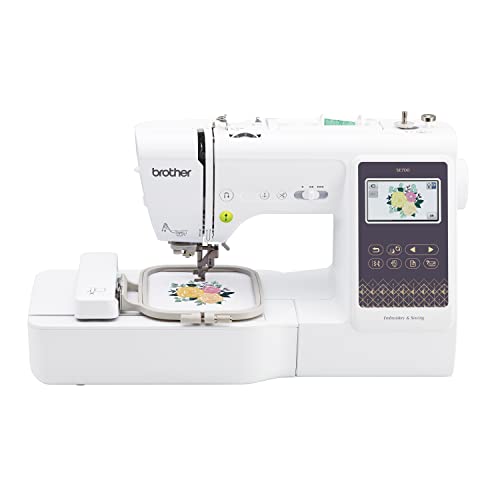
The Brother SE700 and SE2000 are excellent choices for those who want embroidery capabilities alongside sewing. They come with touchscreens and wireless connectivity, making it easy to customize your projects. For general use, our best sewing machine for general use article offers more recommendations.
Final Thoughts
Choosing the right machine for automotive upholstery comes down to your specific needs. If you’re a professional looking for industrial-level performance, the Juki HZL-DX7 Sewing Machine | 287 Stitch Patterns is a top-tier investment with its large throat space and box feed system. For a versatile and budget-friendly option that handles both sewing and embroidery, the Brother SE700 Sewing and Embroidery Machine is a fantastic all-rounder. Whichever you choose, you’ll be equipped to tackle any upholstery project with confidence.
Frequently Asked Questions
What type of sewing machine is best for automotive upholstery?
For automotive upholstery, you need a machine that can handle heavy fabrics like vinyl and leather. Look for a heavy-duty or industrial machine with a metal frame, strong motor, and the ability to use thicker needles and threads. Computerized models like the Juki HZL-DX7 offer advanced features for precise stitching.
Can a regular sewing machine sew car upholstery?
Regular sewing machines may struggle with thick materials and multiple layers. They often lack the power and feed system needed for automotive fabrics. It’s best to use a machine specifically designed for heavy-duty work, such as the Janome HD3000, which is known for its durability.
What is the best stitch for sewing car upholstery?
A straight stitch is the most common for upholstery, but a triple stitch or a zigzag can add strength and flexibility. For seams that will experience stress, a triple stitch is recommended. Many computerized machines offer these options, like the Brother XR9550 with its 165 built-in stitches.
Do I need a special needle for automotive upholstery?
Yes, you’ll need heavier needles, such as size 100/16 or 110/18, designed for leather or denim. These needles can penetrate thick materials without breaking. Always check your machine’s compatibility before use. For more tips on machine maintenance, see our best sewing machine oil guide.