
You have a classic car with torn seats or a truck with a worn-out bench, and you want to restore it yourself. Standard sewing machines struggle with thick vinyl, leather, and multiple layers, but a dedicated upholstery machine can make the job smooth and professional. In this guide, we evaluate seven heavy-duty sewing machines that can handle auto upholstery projects, from simple seat covers to full interior restoration.
We focus on machines with strong motors, sturdy frames, and features like adjustable presser foot pressure and high stitch speed. Whether you are a beginner or a seasoned DIYer, this list covers options from Brother, SINGER, and VEVOR. If you are also exploring other heavy-duty options, check our best sewing machine for automotive upholstery guide for more picks.



Buying Guide: What to Look for in an Auto Upholstery Sewing Machine
Motor Power and Piercing Strength
Auto upholstery often involves thick materials like leather, vinyl, and canvas, sometimes with foam backing. A machine with a powerful motor can pierce through these layers without stalling. Look for models that advertise heavy-duty performance or industrial-grade motors.
For occasional DIY projects, a heavy-duty home machine like the SINGER® Heavy Duty 4552™ Next Evolution Sewing offers strong piercing power without a huge footprint. For professional-level work, the VEVOR Industrial Lockstitch Sewing Machine delivers up to 5000 stitches per minute, making it ideal for high-volume tasks.
Stitch Speed and Control
Speed matters when you are sewing long seams on car seats. But you also need control for curves and corners. Machines with speed control sliders or LCD panels let you set a maximum speed, which is useful when working on detailed sections.
The SINGER® 6800C Heavy Duty Computerized Sewing offers up to 1,100 stitches per minute and an adjustable speed control. For a more compact option, the SINGER® 4432 (Black) High Speed Heavy Duty Sewing also reaches 1,100 SPM, giving you both speed and precision.
Frame and Durability
Auto upholstery work can be repetitive and demanding. A metal frame provides stability and reduces vibration, which helps keep stitches even. Many heavy-duty machines feature a stainless steel bedplate for smooth fabric feeding.
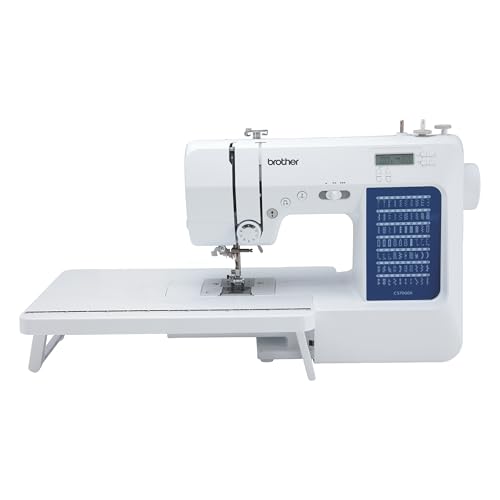
The Brother CS7000X Sewing and Quilting Machine LCD has a metal frame and a fixed needle bar, ensuring consistent stitching. The VEVOR industrial model is built with a full metal body and auto lubrication, designed for long-term use.
Presser Foot and Feeding Options
Thick materials can stick to the presser foot or shift during sewing. A walking foot or even-feed foot helps prevent slipping. Drop feed dogs are useful for free-motion work, but for upholstery, a walking foot is more practical.
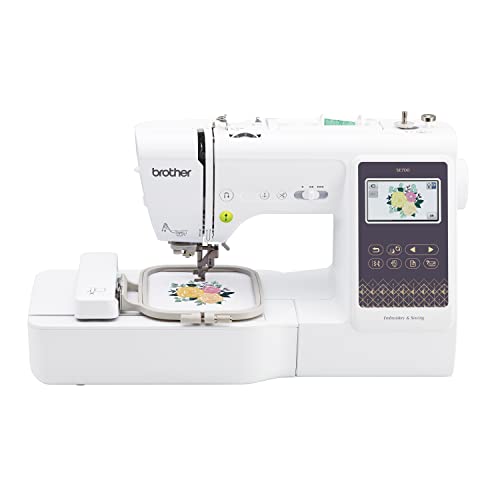
Many machines in this list come with extra presser feet. The Brother SE700 Sewing and Embroidery Machine includes 8 sewing feet, while the SINGER 6800C includes 10 feet, including an even feed/walking foot. If you plan to sew leather, consider a machine with adjustable presser foot pressure, like the SINGER 4552.
For more guidance on choosing a machine for your specific needs, browse our heavy duty sewing machines category or read our best sewing machine for advanced sewers guide.
Final Thoughts
Choosing the right sewing machine for auto upholstery depends on your project scale and experience. For most DIYers, the SINGER® Heavy Duty 4552™ Next Evolution Sewing offers a great balance of power, speed, and affordability, making it our top pick for weekend projects. If you need industrial-level performance for professional work or high-volume jobs, the VEVOR Industrial Lockstitch Sewing Machine is a robust choice with a servo motor and high-speed capability. Both machines can handle leather, vinyl, and canvas, so you can confidently tackle your next upholstery project.
Frequently Asked Questions
Can a regular sewing machine sew auto upholstery?
A regular sewing machine can handle light upholstery like sun visors or headliners, but it will struggle with thick leather, vinyl, and multiple layers. For professional results, you need a heavy-duty or industrial machine that can pierce through dense materials without jamming.
What type of needle should I use for auto upholstery?
Use a leather needle (size 90/14 or 100/16) for leather and vinyl, and a denim needle for heavy canvas. These needles have a sharp point that pierces through thick materials without breaking. Always match the needle size to the thread weight and fabric thickness.
Do I need an industrial sewing machine for car seats?
If you plan to sew car seats regularly or professionally, an industrial machine like the VEVOR lockstitch is recommended. It offers higher speed, more power, and better durability. For occasional repairs, a heavy-duty home machine can work, but you may need to go slower and use appropriate needles.
What is the best stitch length for upholstery fabric?
For most auto upholstery, a stitch length of 3 to 4 mm works well. This length provides strong seams without puckering. Adjust the stitch length based on the fabric thickness; thicker materials require longer stitches to prevent thread breakage.
For more tips on choosing the right machine, see our automotive upholstery sewing machine guide.