

You’re mid-project, the fabric is flowing, and then you hear it: a slow, grinding hum from the depths of your sewing machine. It’s the sound of friction, the enemy of smooth stitching. The fix is simpler than you think: a few drops of the right sewing machine oil. In this guide, we’ve evaluated the top oils on the market to help you find the perfect one for your machine, whether you’re a beginner or a seasoned pro. We’ll cover what to look for, why it matters, and which products stand out in 2026.
Your sewing machine is an investment, and like any precision instrument, it needs regular care. Using the correct lubricant not only keeps it running quietly but also prevents rust and extends its lifespan. If you’re also exploring new machines, check out our guide on the best rated computerized sewing machines to see which models benefit most from proper maintenance.
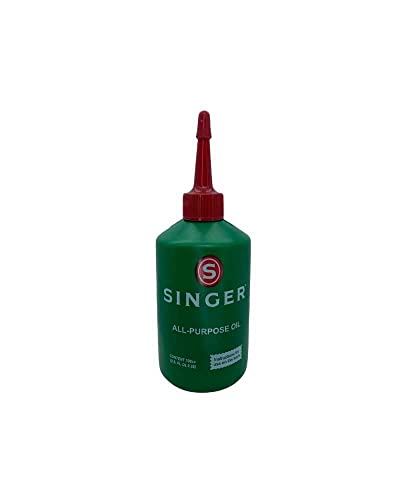


Buying Guide: How to Choose the Best Sewing Machine Oil
Viscosity and Purity
The best sewing machine oil is light and low-viscosity, often labeled as ISO VG-10. This ensures it flows easily into tiny moving parts like the bobbin case and needle bar without gumming up. Look for oils that are highly refined, clear, and free of impurities, as these will not stain your fabrics or attract dust.
A pure paraffin-based oil is a great choice because it remains stable and doesn’t oxidize into sticky residue. This is crucial for keeping your machine running smoothly over time. For more tips on maintaining your equipment, see our top picks for sewing machines under $200.
Applicator Precision
Precision matters when oiling a sewing machine. A needle-tip applicator or a telescoping spout allows you to place drops exactly where needed, avoiding over-oiling and mess. Some kits include brushes for cleaning lint before you lubricate, which is a bonus for overall maintenance.
If you’re working on a heavy-duty machine, you’ll want an oil that can handle the stress. Our guide to heavy duty machines for denim highlights models that benefit from regular, precise oiling.
Compatibility with Fabrics and Plastics
Your oil should be safe for both the metal parts of your machine and the plastic components, as well as the fabrics you sew. Non-staining, odorless formulas are ideal, as they won’t leave marks or smells on your projects. Always check the label to ensure the oil is suitable for home and industrial machines.
For beginners, starting with a machine that’s easy to maintain is key. Explore our best Singer machines for beginners to find a model that pairs well with a good oiling routine.
Final Thoughts
Choosing the right sewing machine oil is a small step that makes a big difference in your machine’s performance and longevity. For a reliable, all-around option that works for most machines, we recommend the Liberty Oil, Clear Nonstaining Oil for Lubricating, known for its purity and precision applicator. If you prefer a complete care kit with brushes and multiple applicators, the Lange & König 3.4 Oz Sewing Machine Oil Set is an excellent choice, offering everything you need to keep your machine humming quietly for years to come.
Frequently Asked Questions
How often should I oil my sewing machine?
It’s a good practice to oil your machine after every 8-10 hours of sewing, or more frequently if you use it heavily. Always consult your machine’s manual for specific recommendations. Regular oiling prevents wear and keeps the machine running smoothly.
Can I use any oil on my sewing machine?
No, you should only use a high-quality sewing machine oil that is specifically designed for this purpose. Household oils like WD-40 or cooking oil can attract dust and gum up the mechanism. Stick to clear, non-staining mineral oils that are ISO VG-10 rated.
What if I over-oil my machine?
Over-oiling can cause oil to seep onto your fabric and attract lint. If you apply too much, wipe away the excess with a clean, lint-free cloth. Always use a precision applicator to control the amount, and let the machine run for a few minutes to distribute the oil evenly.
Is sewing machine oil safe for all fabric types?
Yes, the best sewing machine oils are non-staining and safe for all fabrics, including delicate materials like silk and chiffon. However, it’s always a good idea to test on a scrap piece of fabric if you’re unsure. The clear, odorless formulas we’ve reviewed are your safest bet.
For more sewing machine care tips and gift ideas, check out our gift guide for sewers.


