
You have a length of soft jersey in one hand and a pattern for a fitted tee in the other, and your current machine keeps skipping stitches and stretching the seam. Knits demand a different approach, and the best sewing machine for stretch fabrics makes that shift effortless.
This guide covers seven computerized models from Brother, Janome, and SINGER, each chosen for how well it handles elastic materials. Whether you sew activewear, swimwear, or baby knits, you will find a match below. For broader context on machine types, see our computerized sewing machines category.




What to Look For in a Stretch-Fabric Machine
Stretch fabrics behave differently from woven cotton or linen. They roll, they recover, and they punish any machine that feeds them unevenly. The four criteria below separate capable machines from frustrating ones.
Stretch and Overlock Stitches
A true stretch stitch looks like a tiny lightning bolt and lets the seam flex without snapping. Look for machines with dedicated stretch stitches, not just a zigzag. The SINGER C7290Q includes a full stretch category among its 417 stitch applications.
Coverstitch capability is a bonus for hemming knits professionally. The Brother 2340CV is a dedicated coverstitch serger built specifically for stretch fabrics, with 2-needle and 3-needle options.
Feed System and Differential Feed
Even feeding prevents puckers and wavy seams. Janome’s AcuFeed Flex system, built into the Skyline S6 AE and S7 models, guides fabric from above and below for consistent tension on layered knits.
On sergers, differential feed is the key control. The Brother 2340CV offers a 0.7 to 2.0 mm range, which lets you gather or stretch fabric deliberately. If you also sew structured materials, our guide to the best sewing machine for denim jeans covers heavier feed requirements.
Presser Feet and Accessories
An even feed or walking foot is almost mandatory for knits, since it moves the top and bottom layers together. The SINGER C7290Q ships with 12 presser feet, including an Even Feed Walking Foot and a Blind Hem Foot.
Brother bundles accessories generously too. The XR9550 package includes eight sewing and quilting feet plus a wide table, which helps when handling larger knit projects.
Ease of Use and Adjustability
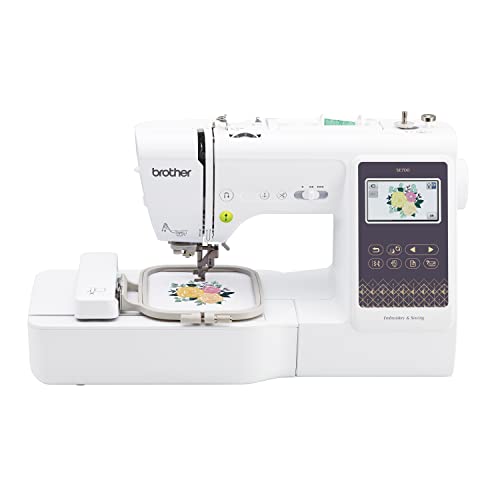
Stretch fabrics often need stitch length and width tweaks mid-project. A clear LCD screen and one-touch controls make those adjustments fast. The Brother SE700 offers a 3.7-inch color touchscreen for on-screen editing.
If you are still building confidence, our beginner sewing machine guide explains which controls matter most. Brand comparisons also help: see how Pfaff and Brother differ in feed systems and stitch quality.
Final Thoughts
For most sewists working with knits, the SINGER C7290Q Computerized Sewing & Quilting offers the widest stretch-stitch selection and a walking foot in the box, while the Brother 2340CV Coverstitch Serger Sewing Machine is the specialist choice for professional hems and necklines on elastic fabrics. Match the machine to your project type, and your stretch seams will finally behave.
Frequently Asked Questions
Can a regular sewing machine handle stretch fabrics?
Yes, if it has a stretch stitch or a narrow zigzag and you use a ballpoint needle. Computerized models with adjustable presser foot pressure perform best because they reduce stretching. A walking foot further improves results on slippery knits.
Do I need a serger for stretch fabrics?
A serger is not required, but a coverstitch machine gives knits a professional finish. The Brother 2340CV handles hems and necklines that a standard machine cannot replicate. Many sewists keep both a computerized machine and a coverstitch serger in their setup.
Which stitch is best for sewing knits?
A three-step zigzag or a dedicated stretch stitch provides the flexibility knits need. Avoid straight stitches on seams that will stretch, since they snap under tension. In 2026, most computerized machines include at least one stretch option by default.
How do I prevent puckering when sewing stretch fabric?
Use a ballpoint or stretch needle, lower the presser foot pressure, and engage a walking foot if available. Stabilizing the fabric with a tear-away tape also helps. Our sewing machines hub has more troubleshooting guidance for knit projects.