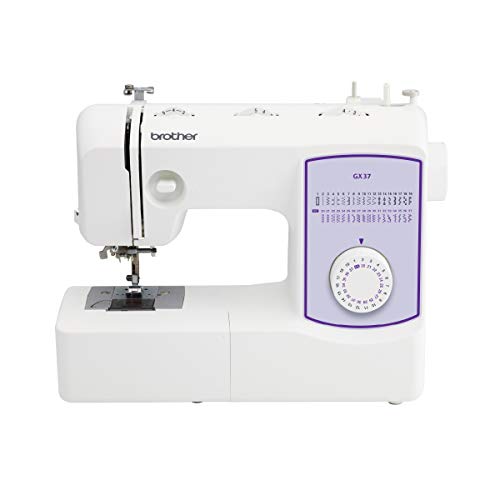

You have a stack of fabric, a vision for a cozy quilt, and a sewing machine that might not be up to the task. Finding the best domestic sewing machine for quilting can transform your creative process, turning hours of frustration into smooth, enjoyable stitching. Whether you are a beginner or an experienced quilter, this guide covers top computerized models from trusted brands like Brother, SINGER, and The Grace Company. For more insights on heavy-duty options, check out our guide on the best sewing machine for denim and leather.


Buying Guide
Stitch Variety and Customization
Quilting demands a wide range of stitches for piecing, applique, and decorative work. Look for a machine with at least 70 built-in stitches, including utility, decorative, and quilting-specific options. Computerized models like the best Juki sewing machine for quilting offer extensive stitch libraries that let you experiment with patterns.
Adjustable stitch length and width are essential for controlling your design. Machines with an LCD screen simplify stitch selection, letting you preview and tweak settings quickly. The ability to program stitch sequences can save time on repetitive quilting tasks.
Throat Space and Workspace
The throat space, or the distance between the needle and the machine’s body, determines how easily you can maneuver large quilt projects. A wider throat, typically 8 inches or more, allows you to handle bulky quilts without bunching. Many domestic machines now offer generous needle-to-arm workspace, making them suitable for quilting.
If you plan to quilt king-sized quilts, consider a machine with a detachable extension table. This extra surface supports the weight of your project, reducing strain on your shoulders and improving stitch quality. For beginners, a compact machine with a free arm can still handle smaller quilts effectively.
Ease of Use and Automation
Quilting involves repetitive tasks like threading needles and winding bobbins. Automatic features such as a needle threader, drop-in bobbin, and programmable needle up/down position reduce setup time and frustration. Look for machines with start/stop buttons and speed control sliders for hands-free operation.
An intuitive interface is crucial for beginners. Machines with LCD screens and clear button layouts make it easy to adjust settings on the fly. For more guidance on starting your sewing journey, read our best rated sewing machine for beginners guide.
Durability and Build Quality
A sturdy metal frame reduces vibrations during high-speed quilting, ensuring consistent stitch quality. Heavy-duty machines with powerful motors can handle multiple layers of fabric, from cotton to denim. Check for features like a fixed needle bar and adjustable presser foot pressure for precise control.
Brands like Brother and SINGER are known for their reliable construction. Machines with a solid interior frame and stainless steel bedplate resist wear over time. For more details on durable options, explore our computerized sewing machines category.
Final Thoughts
Choosing the best domestic sewing machine for quilting comes down to your specific needs: the Brother XR9550 Computerized Sewing and Quilting offers an extensive stitch library and a wide table for large projects, making it ideal for creative quilters, while the Cutie Breeze Table Top Hoop Quilting Frame pairs with your existing machine to provide longarm-style freedom for intricate patterns. Both options deliver excellent value for home quilters.
Frequently Asked Questions
What is the best domestic sewing machine for quilting for beginners?
The Brother XM2701 is a great starting point with 27 built-in stitches and an automatic needle threader. Its free arm design makes it easy to handle small quilting projects. For more beginner-friendly options, check our beginner sewing machines guide.
Can I use a domestic sewing machine for free-motion quilting?
Yes, many domestic machines allow you to drop the feed dogs for free-motion quilting. Models like the Brother HC1850 include a wide table and multiple presser feet for this purpose. A quilting frame can further enhance your results.
How much throat space do I need for quilting?
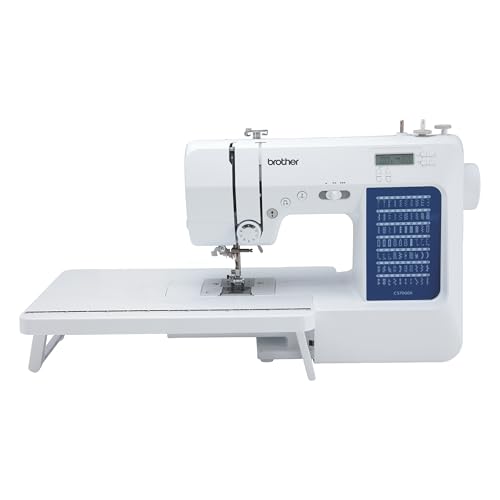
A throat space of at least 8 inches is recommended for quilting. Machines like the Brother CS7000X offer a large needle-to-arm workspace, making them suitable for medium-sized quilts. Larger projects may benefit from a longarm machine or a hoop frame.
Are computerized sewing machines good for quilting?
Computerized machines are excellent for quilting because they offer precise stitch control, automatic features, and a wide variety of stitches. The SewLaVie 1130, for example, includes 300 built-in stitches and twin-needle capability. For more options, visit our quilting machines page.