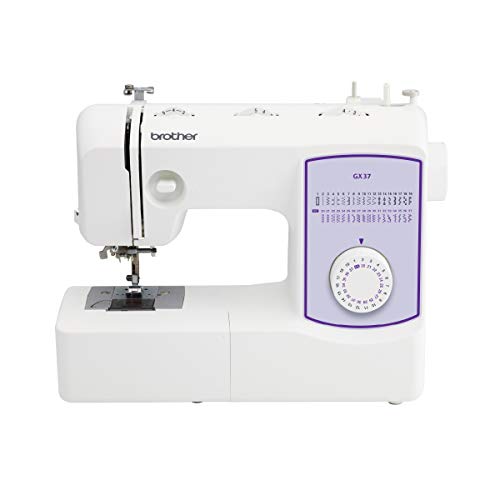

You have a stack of knit fabric waiting to become a dress, but every time you sew a seam on your regular machine, it puckers or stretches out of shape. A serger can solve that problem in seconds, trimming, stitching, and finishing edges all at once. Whether you are new to overlock machines or upgrading your current setup, finding the best serger machine to buy in 2026 means balancing speed, ease of threading, stitch options, and build quality. In this guide, we review seven top models from Brother, Janome, Bernette, and SINGER to help you make a confident choice. If you are still wondering how a serger differs from a standard sewing machine, our serger vs sewing machine explains the key differences.


Buying Guide: What to Look for in a Serger Machine
Threading System: Manual vs. Air Threading
Threading a serger can be the most frustrating part of using one, especially for beginners. Traditional machines require you to guide thread through multiple tension discs and loopers by hand. Models like the Janome 8002D and SINGER HD0500S use color-coded paths and built-in threaders to simplify the process. For a truly effortless experience, air threading technology uses a blast of air to send thread through the loopers automatically. The Brother AIR1800 and Brother AIRFLOW 3000 both feature this innovation, which is a game changer if you change thread colors often. If you want to explore more air threading options, check out our guide to the best serger with air threading.
Stitch Types and Thread Capabilities
Most home sergers offer 2, 3, or 4-thread overlock stitches, but some also include coverstitch and chain stitch functions. A 4-thread overlock is ideal for durable seams on woven fabrics, while a 3-thread stitch works well for lightweight knits. If you plan to hem t-shirts or create professional-looking necklines, a coverstitch machine like the Brother 2340CV is a dedicated option. For versatility, the Bernette B48 Funlock offers 23 built-in stitches, including overlock, coverstitch, and combo stitches. Beginners should start with a machine that offers at least 3 or 4 thread options to handle a variety of projects. Our complete guide on what a serger is used for can help you understand which stitches suit your sewing style.
Speed and Motor Power
Serger speed is measured in stitches per minute (SPM), and most machines in this range sew at 1,100 to 1,300 SPM. Higher speed means you can finish seams faster, which is useful for large projects or production sewing. However, speed is not everything: a machine with a heavy-duty motor and metal frame, like the SINGER HD0500S or SINGER X5004-HD, provides consistent stitching even on thick fabrics like denim or canvas. If you sew mostly delicate knits, a lower speed with adjustable differential feed gives you more control. For those new to serging, we recommend starting with a model that balances speed and ease of use; our top sergers for beginners list is a great resource.
Differential Feed and Fabric Handling
Differential feed is a feature that controls how fabric moves through the machine. It prevents puckering on lightweight fabrics and stretching on knits, and it can also create decorative lettuce edges. All the sergers in our lineup include adjustable differential feed, but the range varies. The Brother 2340CV and Brother AIRFLOW 3000 offer a ratio of 0.7 to 2.0 mm, giving you fine control. If you sew a lot of stretchy materials, look for a machine with a wider differential feed range. Pairing differential feed with a free arm, like on the SINGER HD0500S, makes it easier to sew cuffs and sleeves. For more details on how differential feed improves stitch quality, see our guide to the best serger thread brand for flawless stitches.
Final Thoughts
After reviewing seven of the top sergers on the market, we believe the Brother AIR1800 Air Serger Sewing Machine with Jet stands out for sewists who want air threading convenience and excellent stitch quality on stretch fabrics, while the SINGER® HD0500S Heavy Duty Serger Overlock is a fantastic choice for those who need a durable, heavy-duty machine with versatile stitch options at a more accessible price point. Both models deliver professional results, but your final decision should come down to your budget, the types of fabrics you sew most often, and how much you value automated threading. Whichever you choose, a quality serger will elevate your sewing projects and save you hours of finishing work.
Frequently Asked Questions
What is the best serger machine to buy for a beginner in 2026?
For beginners, we recommend the SINGER HD0500S or the Janome 8002D. Both offer color-coded threading, adjustable differential feed, and a metal frame for stability. They are easy to learn on and handle a wide range of fabrics without breaking the bank.
Is air threading worth the extra cost on a serger?
Yes, if you change thread colors frequently or struggle with manual threading. Air threading models like the Brother AIR1800 and Brother AIRFLOW 3000 save time and reduce frustration. For sewists who work on multiple projects in one session, the convenience is well worth the investment.
Can a serger replace a regular sewing machine?
No, a serger cannot fully replace a sewing machine. While sergers excel at finishing seams and working with knits, they cannot do buttonholes, zippers, or topstitching. Most sewists use both machines together for professional results. Learn more in our serger vs sewing machine.
How many threads do I need on a serger?
For most home sewing, a 3 or 4-thread serger is sufficient. A 4-thread overlock creates a strong seam suitable for garments and home décor, while a 3-thread stitch is lighter and ideal for knits. Some machines also offer 2-thread options for rolled hems or decorative edges.