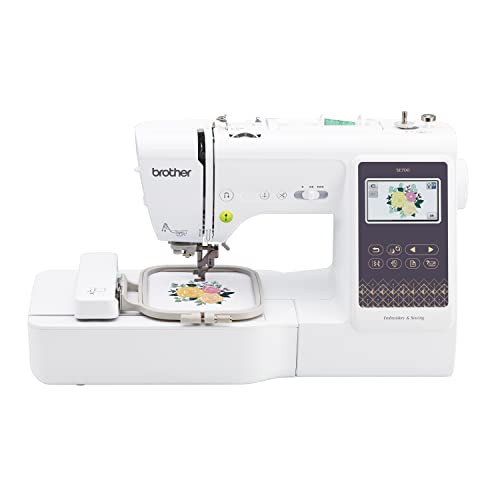

You sit down to sew a knit dress, and the fabric stretches out of shape. Your seams fray, and the edges look unfinished. A regular sewing machine can’t solve this, but a serger can. In this guide, we compare sergers and sewing machines so you can decide which one belongs in your sewing room.
We focus on sergers, also called overlock machines, and explain how they differ from standard sewing machines. You’ll learn what each machine does best, what to look for when buying a serger, and get answers to common questions. If you’re new to sergers, check our guide to the best sergers for beginners before you shop.


Buying Guide
Stitch Types and Versatility
Sergers create overlock stitches that trim, seam, and finish fabric edges in one pass. Most models offer 2, 3, or 4-thread capabilities, giving you options for different fabrics and finishes. A 4-thread overlock is strong enough for seams on woven garments, while a 3-thread stitch works well for knits and decorative edges.
Some sergers also include a rolled hem feature, which is perfect for delicate scarves and napkins. If you need a machine that can also do a coverstitch for hems on stretchy fabrics, look for a dedicated coverstitch machine or a combo model. The best coverstitch machines offer professional finishes on necklines and hems.
Ease of Threading
Threading a serger can be intimidating, but modern machines make it easier. Look for color-coded thread paths, lay-in threading systems, and quick-looper threading. Some models, like the SewLaVie 360, feature a wide-open threading area that lets you access loopers without dismantling the machine.
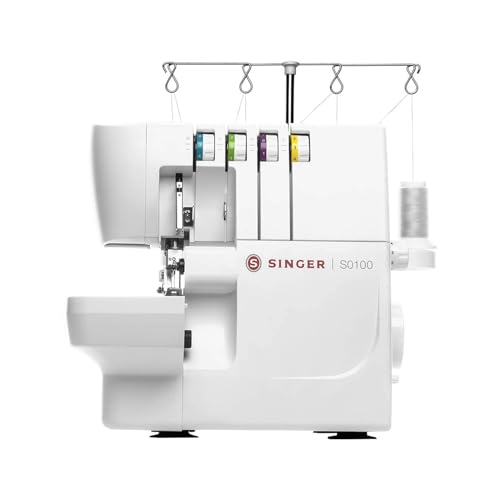
If you’re a beginner, prioritize a serger with clear guides and maybe even a video tutorial. The SINGER S0100 comes pre-threaded, so you can start sewing right away. A machine that’s easy to thread will save you frustration and encourage you to use it more often.
Speed and Motor Power
Sergers are fast, with most models sewing 1,100 to 1,300 stitches per minute. That speed helps you finish projects quickly, but it also requires control. Look for a machine with adjustable speed or a foot pedal that lets you sew slowly when needed.
Heavy-duty motor power is essential if you plan to sew thick fabrics like denim or multiple layers. The SINGER HD0500S boasts a higher-wattage motor for enhanced piercing power. A sturdy metal frame also reduces vibration and keeps the machine stable at high speeds.
Differential Feed and Fabric Handling
Differential feed is a must-have feature on any serger. It controls the rate at which the front and back feed dogs move the fabric. This prevents puckering on lightweight fabrics and stretching on knits. You can also use it to create gathers or ease in sleeves.
When comparing sergers, check the differential feed ratio. A range of 0.7 to 2.0 gives you plenty of flexibility. The Brother 2340CV offers a differential feed of 0.7 to 2.0 millimeters, which is ideal for working with stretch fabrics.
For more detailed comparisons, read our brother 1034D serger review to see how a popular model performs.
Final Thoughts
Choosing between a serger and a sewing machine comes down to the type of sewing you do. If you love sewing garments, knits, or want professional-looking seams and hems, a serger is a game-changer. For everyday mending, quilting, and precise stitching, a sewing machine remains essential. Many sewists eventually own both, but if you’re starting with a serger, we recommend the Brother 1034D Serger Overlock Sewing Machine for its reliability and ease of use, or the SINGER® HD0500S Heavy Duty Serger Overlock for its powerful motor and modern features. Both offer excellent value and will elevate your sewing projects.
Frequently Asked Questions
Can a serger replace a regular sewing machine?
A serger cannot completely replace a regular sewing machine. Sergers are specialized for overlocking, trimming, and finishing edges, but they cannot do basic straight stitches, buttonholes, or zipper insertion. Most sewists use both machines for different tasks.
Is a serger worth it for a beginner?
Yes, a serger can be worth it for a beginner who wants to sew garments or work with knit fabrics. Modern sergers are easier to thread than ever, and many come with features like color-coded guides and pre-threaded setups. Start with a beginner-friendly model to build your confidence.
What is the difference between a serger and an overlock machine?
The terms “serger” and “overlock machine” are often used interchangeably. Both refer to a machine that sews an overlock stitch, trims excess fabric, and finishes edges. Some machines also offer coverstitch capabilities, which are separate from overlocking.
How many threads do I need in a serger?
Most sergers offer 2, 3, or 4-thread capabilities. A 4-thread overlock is the strongest and is ideal for woven fabrics and seams that need durability. A 3-thread stitch is great for knits and decorative edges. A 2-thread option is useful for rolled hems and lightweight fabrics. Choose a serger that offers at least 3 and 4-thread options for versatility.