

You have a sewing project that demands clean, professional seams. You want to finish edges without fraying, create stretchy seams for knits, or add decorative touches that look store bought. That is exactly what a serger does. Also called an overlock machine, a serger trims fabric, sews a seam, and finishes the raw edge all in one pass. This guide explains what a serger is used for, how it differs from a regular sewing machine, and which accessories and resources can help you get started. Whether you are a beginner or an experienced sewist, understanding the serger opens up new possibilities for garment construction, home decor, and quilting. For more on choosing the right machine, check out our serger vs sewing machine.


Buying Guide
Thread Quality and Type
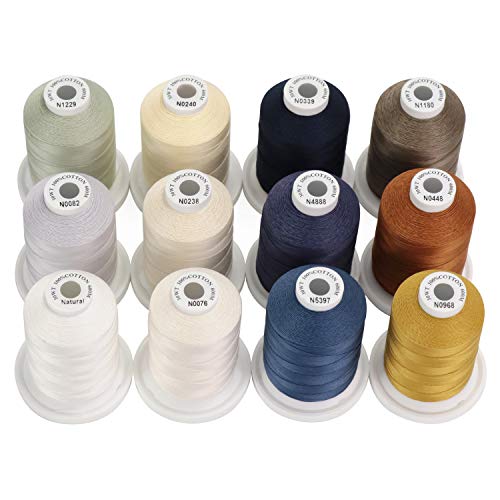
The thread you choose directly affects stitch quality and machine performance. Mercerized cotton threads, like those from New brothread, offer less lint, smoother surface, and greater luster. They work well with natural fabrics such as cotton and linen because their shrinkage rate matches the fabric. For serging, you need threads that can handle high speed without breaking. Look for 3-ply twisted bonded threads that provide strength and durability. The New brothread Multi-Purpose Mercerized Cotton is a top pick for its locking base spool that prevents tangling.
Educational Resources
A serger can feel intimidating at first, but the right book makes all the difference. Comprehensive guides like Serger Secrets: High-Fashion Techniques and The Serger’s Technique Bible walk you through threading, tension, and decorative stitches. They also cover advanced techniques such as cover stitch and differential feed. Investing in a well-reviewed book helps you master your machine faster and avoid common mistakes. For a structured learning path, consider top sergers for beginners to pair with your reading.
Thread Storage and Organization
Keeping your threads organized prevents tangles and saves time. Many New brothread sets come with a stackable, hangable clear plastic storage box. This keeps threads dust free and easy to grab. When you have multiple spools for different colors, organized storage helps you quickly switch threads for various projects. The boxes also allow you to see thread colors at a glance, which is especially useful when you are working on a complex garment with multiple seam finishes.
Needle Compatibility
Serger needles must match the thread weight and fabric type. Mercerized cotton threads are thicker than standard 40wt sewing threads, so you need needles with a large eye, size 80/12 or larger, to prevent stripping. Using the correct needle reduces skipped stitches and thread breakage. Always check your machine manual for recommended needle systems and sizes. For a deeper dive into machine options, read our best serger machines review.
Final Thoughts
A serger transforms your sewing by delivering professional finishes that a regular sewing machine cannot match. Whether you are finishing seams, creating rolled hems, or adding decorative stitching, the right thread and knowledge are essential. For reliable, low-lint thread that works beautifully with natural fabrics, we recommend the New brothread Multi-Purpose Mercerized Cotton. If you are just starting out and want a comprehensive learning resource, the Serger Essentials: Master the Basics and Beyond! book provides clear, step-by-step guidance that builds confidence quickly.
Frequently Asked Questions
Can a serger replace a sewing machine?
No, a serger cannot fully replace a sewing machine. A serger is designed for overlock stitching, seam finishing, and trimming fabric. A regular sewing machine handles buttonholes, zippers, and straight stitching. Most sewists use both machines together for best results.
What types of fabric can a serger handle?
A serger works well on woven fabrics like cotton and linen, as well as knits and stretch fabrics. The differential feed feature allows you to adjust for lightweight or heavy materials. Always test on a scrap piece first to set tension and stitch length.
Is a serger difficult to thread?
Threading a serger can be tricky at first because it uses multiple threads (typically 3 or 4). Many modern machines have color coded guides and built in threaders. With practice and a good reference book like Serger Essentials, you can master threading in under 10 minutes.
What is the difference between a serger and a coverstitch machine?
A serger trims fabric and creates overlock seams, while a coverstitch machine produces a flat, stretchy stitch used for hems on knits and activewear. Some machines combine both functions. For more details, see our best coverstitch machine guide.


