
Have you ever been mid-project, only to have your thread snap or your fabric pucker? The culprit is often a mismatched or dull needle. Choosing the right sewing machine needle isn’t just about avoiding frustration; it’s about achieving clean, professional-looking stitches. In this guide, we’ll walk you through the essential factors, from needle sizes to compatibility, so you can pick the perfect needle for every fabric. We’ll also spotlight two handy tools that can simplify your sewing life.
Whether you’re a beginner or a seasoned stitcher, understanding needle basics is crucial. This article is for anyone who wants to sew smarter, not harder. We’ll cover the nitty-gritty of needle selection and introduce you to a versatile needle set and a clever threading tool that are worth considering. For a deeper dive into machine basics, check out our guide on how to thread a sewing machine.



Buying Guide: How to Choose the Right Sewing Machine Needle
Needle Size and Fabric Weight
The most critical factor is matching the needle size to your fabric. Needle sizes range from fine (like 65/9) to heavy (like 110/18). A finer needle, such as a 75/11, works beautifully on lightweight fabrics like silk or satin, preventing snags and skipped stitches. On the other hand, a thicker needle, like a 100/16, is essential for denim or canvas, as it can penetrate dense weaves without bending.
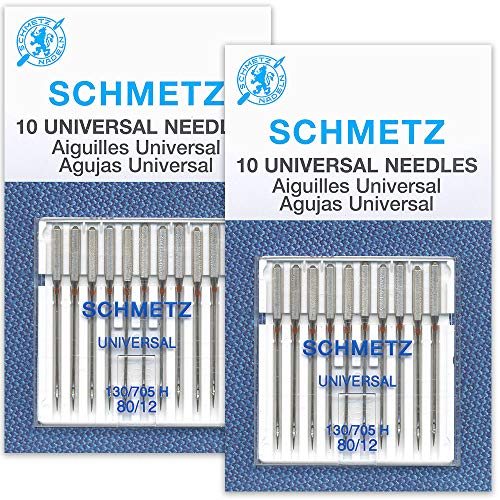
Using the wrong size can lead to broken needles or damaged fabric. For instance, sewing through thick layers with a fine needle often results in skipped stitches or a snapped needle. Conversely, a heavy needle on delicate fabric leaves large holes. Always test on a scrap piece first. The Sewing Machine Needles 50 PCS HAX1 Universal 5 set covers five common sizes, making it a versatile choice for various projects.
Compatibility with Your Sewing Machine
Most home sewing machines use standard needles, but it’s always wise to verify compatibility. Brands like Singer, Brother, Janome, and Varmax typically accept universal needles. However, some older or industrial machines may require specific types. The kidoom needle set is designed for household machines and is not suitable for industrial models, so check your machine’s manual if you’re unsure.
If you’re exploring different machine models, our Brother vs Singer comparison might help you understand how different brands handle needle systems. Remember, using the correct needle type ensures smooth operation and prevents damage to your machine’s tension mechanism.
Needle Quality and Durability
Not all needles are created equal. High-quality needles are made from hardened steel and feature a polished surface that glides through fabric with minimal friction. This reduces the risk of bending or breaking, especially during high-speed sewing. The kidoom needles are crafted from high-strength steel, ensuring they remain sharp and sturdy over time.
Durability also means fewer replacements, saving you money in the long run. A good needle should last through multiple projects before needing a change. If you’re a frequent sewer, investing in a quality set like the 50-piece option is a smart move. For more tips on machine selection, see our guide to choosing a sewing machine.
Final Thoughts
Choosing the right sewing machine needle is a small decision that makes a big difference in your sewing results. For a comprehensive solution, the Sewing Machine Needles 50 PCS HAX1 Universal 5 set offers a range of sizes to tackle everything from delicate silks to heavy denim, making it a great all-in-one choice. If you struggle with threading, especially under poor lighting, the Hicarer 3 Pcs Sewing Machine Needle Threader is a game-changer, helping you insert needles and thread them with ease. Both tools are affordable, practical, and will elevate your sewing experience.
Frequently Asked Questions
How often should I change my sewing machine needle?
It’s recommended to change your needle after every 8 to 10 hours of sewing or at the start of a new project. A dull needle can cause skipped stitches and fabric damage. If you notice any pulling or snagging, it’s time for a fresh needle. In 2026, many sewists mark their calendars to replace needles monthly for consistent results.
Can I use the same needle for all fabric types?
No, using the same needle for all fabrics is not ideal. Lightweight fabrics require fine needles, while heavy fabrics need thicker ones. The kidoom set includes five sizes, allowing you to switch based on your fabric. For a quick reference, check our beginner’s guide to sewing machines which covers basic needle selection.
What does the number on a needle mean?
The numbers on a needle indicate its thickness. The first number (e.g., 75) is the European metric size, while the second (e.g., 11) is the American size. Lower numbers are finer, and higher numbers are thicker. For most home sewing, sizes 75/11 to 90/14 are versatile choices.
Do I need a needle threader for my sewing machine?
If you have poor eyesight or struggle with threading, a needle threader is a lifesaver. The Hicarer threader holds the needle firmly and guides the thread through the eye, saving time and frustration. It’s especially useful for those with older machines that lack automatic threading features.