
You’ve finally decided to dive into the world of sewing, but the moment you start shopping for a machine, you’re hit with a dizzying array of features, price points, and brand promises. Do you need 100 built-in stitches? Is a computerized model worth the extra cost? And what about all those presser feet? This guide is designed to cut through the noise and help you choose a sewing machine that fits your skill level, your projects, and your budget. Whether you’re a complete beginner or looking to upgrade, we’ll walk you through the key considerations and the best resources to get you sewing with confidence.
We’ve reviewed a range of sewing machine guides and manuals to help you understand what matters most when making your choice. From understanding the basics of machine operation to troubleshooting and maintenance, these resources are invaluable for both new and experienced sewists. Let’s start by comparing the top products that can help you on your sewing journey.




Buying Guide: Key Factors to Consider
When you’re trying to figure out how to choose a sewing machine, the sheer number of options can be paralyzing. But by focusing on a few core criteria, you can narrow down the field and find a machine that you’ll love for years to come. Here are the essential factors to weigh before you make a purchase.
Your Skill Level and Learning Curve
Are you a complete novice or have you sewn a few projects on an old machine? For absolute beginners, a straightforward mechanical machine or a basic computerized model with clear instructions is ideal. Books like Sewing Machines Made Simple are perfect companions, breaking down the parts of the machine and basic techniques in an easy-to-follow format.
If you’ve already got some experience, you might be ready for a machine with more advanced features like automatic buttonholes and multiple stitch patterns. Consider a guide like You and Your Sewing Machine to deepen your understanding of your machine’s capabilities and troubleshoot common issues.
Types of Projects You Plan to Sew
Your choice of machine should be driven by the projects you intend to tackle. If you’re into garment making, you’ll need a machine with a variety of stretch stitches and a good buttonhole function. For quilting, a larger throat space and the ability to handle multiple layers of fabric are crucial. If you’re unsure, a general-purpose machine is a safe bet, and you can always expand your skills with a project-based book like Sew Step by Step: How to use your sewing machine.
For those interested in crafting or mending, a machine that can handle different fabric weights is essential. Check out our comparison of janome vs brother sewing machine to see which brand aligns with your project goals.
Computerized vs. Mechanical: Which is Right for You?
One of the biggest decisions you’ll make is whether to go with a computerized or mechanical machine. Computerized machines offer a wide range of stitch options, automatic features, and often have LCD screens for easy selection. They are fantastic for sewists who want precision and convenience. However, they can be more complex to learn and maintain.
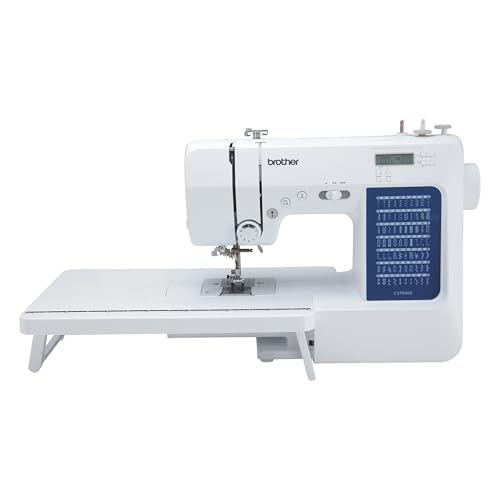
Mechanical machines are simpler, more durable, and easier to troubleshoot, making them excellent for beginners. If you’re leaning toward a computerized model, you might want to read our brother CS7000X review to see what a versatile computerized machine can offer. For a deeper dive into the differences, check out our Brother vs Singer comparison.
Maintenance and Support
No matter how good your sewing machine is, it will eventually need maintenance. From cleaning the bobbin area to oiling the moving parts, regular care is essential for longevity. A book like How to Repair and Maintain Sewing Machines is a valuable resource for both beginners and pros, teaching you to troubleshoot and fix common issues yourself.
Also, consider the availability of parts and service for the brand you choose. Some brands have a wider network of dealers and repair centers. For more insights, you can look at our singer 4423 vs 4432 article, which discusses the reliability of Singer’s heavy-duty models.
Final Thoughts
Choosing the right sewing machine is a personal journey, but with the right knowledge and resources, you can make an informed decision that will serve you well for years. For beginners, we highly recommend starting with a guide like First-Time Sewing Machine Guide for Beginners to build your confidence, and for those who want to master their machine’s full potential, How To Use Your Sewing Machine is an excellent companion. Remember, the best machine is the one that you’ll actually use, so take your time, consider your needs, and happy sewing!
Frequently Asked Questions
What is the best sewing machine for a beginner in 2026?
For beginners, a simple mechanical or basic computerized machine with easy-to-use features is ideal. Look for models with a few essential stitches, an automatic needle threader, and a drop-in bobbin. Our best Janome sewing machine guide can help you find a reliable option.
How much should I spend on my first sewing machine?
It’s wise to start with a budget-friendly machine that still offers quality. You can find reliable beginner machines that won’t break the bank, and you can always upgrade later. Focus on features rather than price, and consider used machines from reputable brands.
What are the essential accessories I need for my sewing machine?
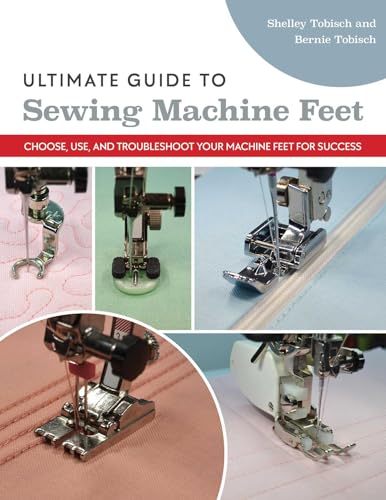
Essential accessories include extra bobbins, a set of needles for different fabrics, a seam ripper, and a good pair of fabric scissors. A guide like Ultimate Guide to Sewing Machine Feet can help you understand which presser feet you’ll need for various techniques.
How do I maintain my sewing machine to keep it in good condition?
Regular maintenance includes cleaning out lint after each project, oiling the machine as recommended by the manufacturer, and having it serviced annually. Books like You and Your Sewing Machine provide excellent troubleshooting and maintenance tips.