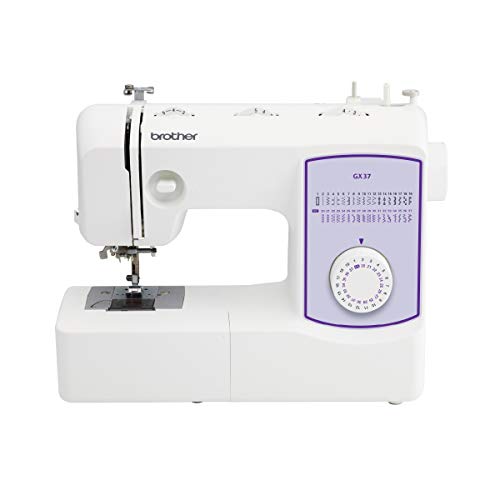
You’ve signed up for a sewing machine for beginners classes, and now you need a machine that won’t fight you while you’re learning. The wrong pick can turn a fun class into a frustrating chore, so we’ve rounded up nine beginner-friendly models that make threading, stitching, and troubleshooting much easier.
This guide covers everything from ultra-portable mini machines to computerized models with automatic needle threaders, so you can find the right fit for your class projects and your budget. If you’re still exploring options, our best starter sewing machine for beginners guide offers more context on what to look for.




Buying Guide: What to Look for in a Beginner Sewing Machine
Before you commit to a machine for your classes, focus on these four criteria. They make the biggest difference in how quickly you learn and how much you enjoy the process.
Ease of Threading and Setup
Threading is the first hurdle for most beginners, so look for machines with automatic needle threaders and clearly marked threading paths. The Brother CS5055 and Brother XM2701 both include automatic needle threaders that push the thread through the eye for you.
Drop-in top bobbins are another big time-saver. They’re jam-resistant and much easier to load than front-loading bobbins, which is why they appear on most of our top picks. For more on computerized options, see our best digital sewing machine for beginners roundup.
Stitch Variety for Class Projects
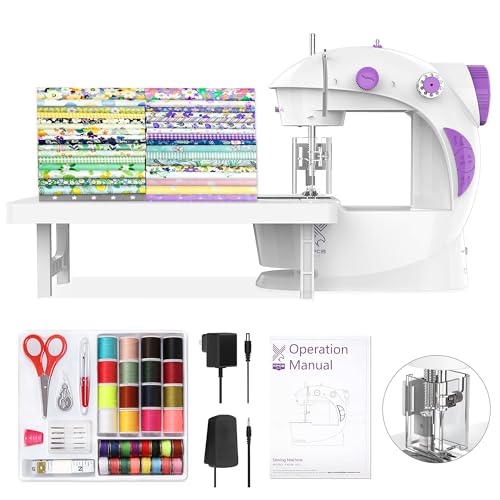
Most beginner classes start with straight stitches and zigzag, then move on to buttonholes and simple decorative stitches. A machine with 12 built-in stitches, like the Portable Sewing Machine for Beginners or the JUCVNB model, covers those basics well.
If you plan to continue sewing after the class, a model with 27 or more stitches, such as the Brother XM2701, gives you more room to grow without needing an upgrade. You can compare more options in our beginner sewing machines category.
Speed Control and Safety Features
Variable or dual-speed control lets you sew slowly while you’re getting comfortable with the foot pedal. Machines like the Chunara Sewing Machine for Beginners and the KPCB Tech model offer a slow setting specifically for new users.
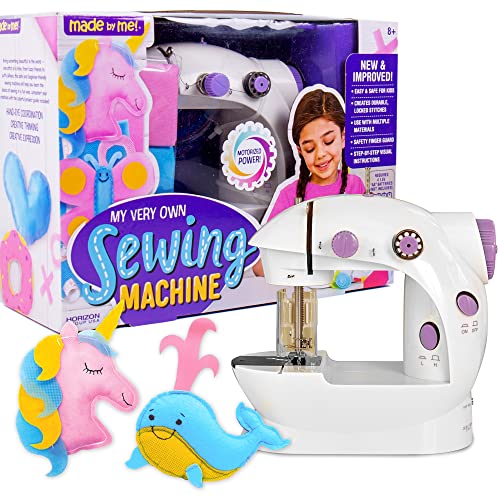
If kids will be using the machine, look for finger guards and safety lights. The Made By Me My Very Own Sewing Machine and the KPCB Tech model both include finger guards, making them safer for younger learners.
Portability and Storage
If you’re carrying your machine to class, weight and size matter. The Portable Sewing Machine for Beginners weighs about 5 pounds, and the JUCVNB model weighs just over 5 pounds, so both are easy to transport.
Battery options add flexibility for sewing on the go, though most beginners will use the AC adapter at home. Our <a href="https://stitchgearguide.com/best-sewing-machine-for-beginners-or-kids/">best sewing machine for beginners or kids guide covers more family-friendly picks.
Final Thoughts
For most beginners heading into classes, the Brother CS5055 Computerized Sewing Machine offers the best balance of ease, stitch variety, and long-term value. If you want a compact, budget-friendly option for simple practice projects, the Portable Sewing Machine for Beginners is a smart, lightweight choice that won’t overwhelm you.
Frequently Asked Questions
What is the best sewing machine for beginners classes?
The best choice depends on your class requirements and budget. Computerized models like the Brother CS5055 are ideal if you want automatic threading and a wide stitch selection, while mini machines like the CraftBud Mini Sewing Machine are great for learning basics without a big investment.
Do I need a computerized sewing machine for a beginner class?
Not necessarily. Many beginner classes work fine with mechanical machines that offer basic stitches and speed control. However, computerized models can make threading and stitch selection easier, which helps you focus on learning techniques rather than troubleshooting. See our digital sewing machine guide for more details.
Can kids use a beginner sewing machine for classes?
Yes, many beginner machines are suitable for kids ages 8 and up, especially those with finger guards and slow-speed settings. The Made By Me My Very Own Sewing Machine is designed specifically for young beginners, while the JUCVNB model works well for teaching older children and teens.
How many stitches do I need for beginner sewing projects?
Most beginner classes cover straight stitch, zigzag, and a simple buttonhole, so 12 built-in stitches is usually enough. If you plan to continue sewing after the class, a machine with 27 or more stitches gives you more flexibility for future projects.