

You have outgrown your basic mechanical machine, or perhaps you are starting fresh and want precision, speed, and creative freedom. Computerized sewing machines offer exactly that: automatic needle threading, hundreds of built-in stitches, LCD screens, and even embroidery capabilities. But with so many models on the market, finding the best rated computerized sewing machines can feel overwhelming. This guide cuts through the noise, focusing on ten top-rated models from trusted brands like Brother, SINGER, and SewLaVie. Whether you are a beginner, a quilter, or someone who sews heavy fabrics, you will find a machine that fits your needs.






What to Look for in a Computerized Sewing Machine
Built-in Stitches and Creative Options
The number of built-in stitches directly impacts your creative range. Basic models start around 60 stitches, while advanced machines offer over 500 stitch applications. Look for utility stitches for everyday sewing, decorative stitches for embellishments, and auto-size buttonholes for professional finishes. If you love quilting, alphanumeric stitches for labeling are a bonus. For beginners, a machine with 70 to 100 stitches provides plenty of variety without overwhelming you. Check out our guide on the best computerized sewing machines for beginners for more tailored advice.
Heavy-Duty Performance and Fabric Handling
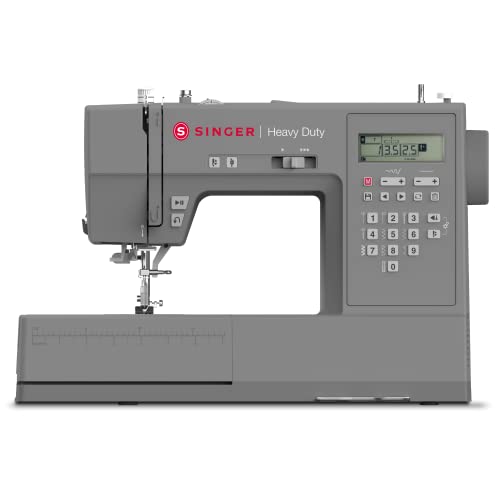
If you sew denim, canvas, or multiple layers, a machine with enhanced piercing power and a metal frame is essential. Models like the SINGER 6600C and 6700C are built for heavy fabrics, featuring powerful motors and stainless steel bedplates. A 7-point feed dog system, as seen in the SewLaVie 1130, ensures consistent fabric feeding even through thick seams. For home use, a heavy-duty computerized machine combines durability with ease of use. Explore our top heavy duty sewing machines for home use for more options.
Ease of Use for Beginners and Advanced Users
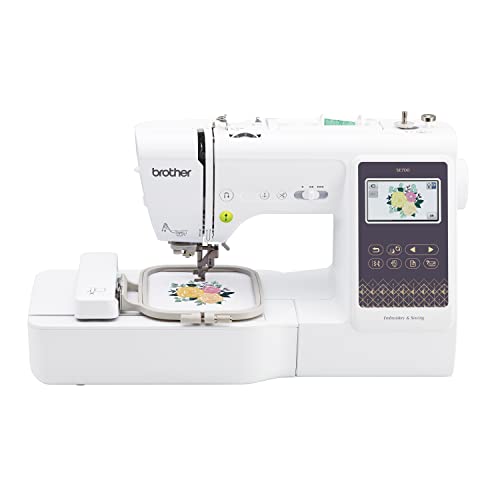
Computerized machines simplify sewing with features like automatic needle threaders, drop-in bobbins, and LCD screens. A color touchscreen, like on the Brother SE700, lets you preview and edit embroidery designs. Start/stop buttons and speed control sliders allow sewing without a foot pedal, ideal for beginners. Look for machines that include clear manuals and free technical support. Our best sewing machine for beginners or kids article offers additional insights.
Additional Features: Embroidery, Quilting, and Connectivity
Some computerized machines combine sewing and embroidery, like the Brother SE700 with 135 built-in designs and wireless LAN. Quilters benefit from wide tables, drop feed mechanisms, and free arm designs. Connectivity options, such as USB ports and mobile app compatibility, let you transfer custom designs. If buttonholes are a priority, look for machines with one-step auto-size buttonholes. Our best sewing machine with automatic buttonhole guide can help you decide.
Final Thoughts
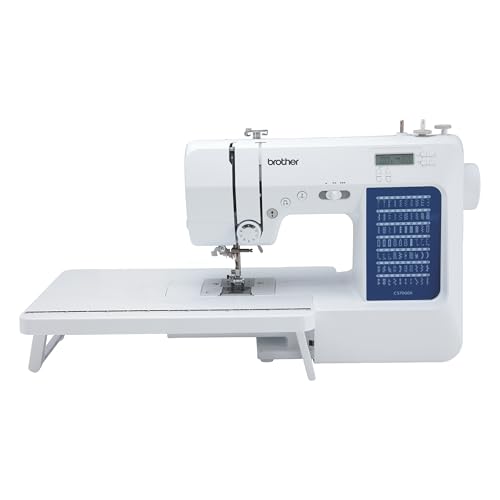
Choosing the best rated computerized sewing machine comes down to your specific needs: the Brother XR9550 Computerized Sewing and Quilting is an excellent all-rounder for sewists who want 165 stitches, an LCD display, and a wide table for quilting projects, while the SINGER 6600C Sterling Heavy Duty Computerized is ideal if you frequently work with thick fabrics and need enhanced piercing power with 215 stitch applications. Both machines offer exceptional value and are highly rated by users. Take your time to compare features, and you will find the perfect partner for your sewing journey.
Frequently Asked Questions
What is the difference between a mechanical and a computerized sewing machine?
Mechanical machines use dials and knobs for stitch selection, while computerized machines have a built-in microprocessor that controls stitch patterns, speed, and settings. Computerized models offer more stitches, automatic features like needle threading, and often an LCD screen for easy selection. They are generally quieter and more precise.
Can a beginner use a computerized sewing machine?
Absolutely. Many computerized machines are designed with beginners in mind, featuring automatic needle threaders, drop-in bobbins, and start/stop buttons. Models like the Brother CS5055 and XM2701 are user-friendly and come with clear manuals. Our guide for beginners provides more recommendations.
How many stitches do I need in a computerized sewing machine?
For most home sewists, 60 to 100 stitches are sufficient. If you do garment construction, quilting, or decorative work, consider machines with 150 to 200 stitches. Alphanumeric stitches are useful for labeling. The best rated computerized sewing machines in 2026 typically offer between 70 and 165 stitches, covering all common needs.
Are computerized sewing machines good for quilting?
Yes, many computerized machines are excellent for quilting. Look for features like a wide table, drop feed for free-motion quilting, a large needle-to-arm workspace, and adjustable stitch length. Models like the Brother HC1850 and SewLaVie 1130 include quilting-specific accessories. For more options, visit our computerized sewing machines category.