
You have moved beyond beginner projects. You want to sew garments with professional finishes, embroider custom designs, or quilt with precision. The right machine can make that leap easier and more enjoyable. In this guide, we evaluate seven sewing machines that offer the features, durability, and versatility intermediate sewers need. Whether you prioritize embroidery, heavy duty stitching, or serging, you will find a model that fits your workflow.
We focused on computerized machines from trusted brands like Brother, Janome, and JUKI. Each product was assessed for stitch quality, ease of use, build construction, and value. If you are still deciding between a standard machine and a serger, our brother XR9550 review covers a versatile computerized model that works well for many intermediate sewers.





Buying Guide
Stitch Variety and Customization
Intermediate sewers need more than a straight stitch and a zigzag. Look for machines with at least 50 built in stitches, including utility stitches for garment construction and decorative stitches for creative projects. A one step auto size buttonhole is also a time saver. Computerized models let you adjust stitch length and width easily, which is essential for working with different fabrics.
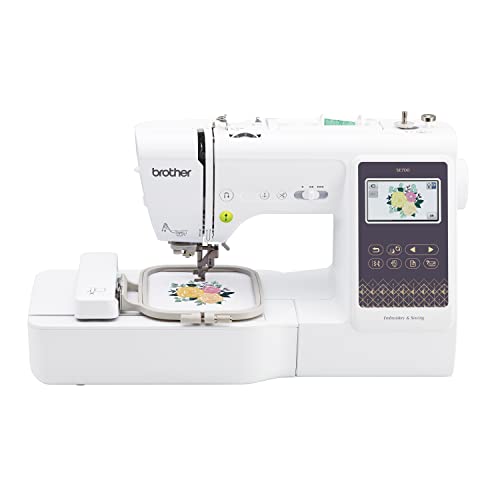
The Brother SE700 and SE2000 offer extensive stitch libraries and embroidery capabilities. If you want to focus on garment sewing, the Brother ST150HDH provides 50 stitches with an LCD screen for quick selection. For more on computerized options, see our Brother CS7205 review.
Build Quality and Durability
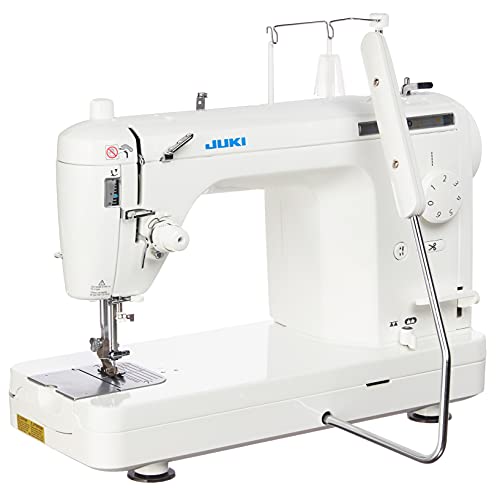
As you sew more frequently and with heavier materials, a machine with a metal frame becomes important. Plastic frames can vibrate and wear out faster. The JUKI TL-2000Qi features an aluminum die cast arm and bed for low vibration operation, making it ideal for quilting and home decor. The Janome HD3000 is also known for its sturdy construction.
For heavy duty projects, consider the heavy duty sewing machines category on our site. Machines like the Brother ST150HDH are built to handle denim and multiple layers without skipping stitches.
Specialized Functions: Embroidery and Serging
Intermediate sewers often expand into embroidery or serging. A combo machine like the Brother SE700 or SE2000 lets you embroider without buying a separate unit. The SE700 includes 135 built in designs and wireless file transfer. The SE2000 adds 241 stitches and a larger embroidery field.
If you sew knits or want professional finishes, a serger is a smart investment. The Brother 2340CV is a dedicated coverstitch serger with a metal frame and 1,100 stitches per minute. The Brother AIRFLOW 3000 uses air threading technology for easy setup. Both are excellent additions to an intermediate sewer’s toolkit. Browse our computerized sewing machines page for more options.
Ease of Use and Setup
Even advanced machines should be user friendly. Features like an automatic needle threader, drop in bobbin, and color coded threading guides save time and frustration. The Brother AIRFLOW 3000 excels here with its air threading system. The JUKI TL-2000Qi includes an automatic needle threader and one pedal operation.
If you are new to sergers, the Brother 2340CV has lay in threading and color coded guides. For a comprehensive look at beginner friendly machines, check our beginner sewing machines guide.
Final Thoughts
Choosing the best sewing machine for intermediate sewers depends on your primary projects. If you want to combine sewing and embroidery with modern connectivity, the Brother SE700 Sewing and Embroidery Machine offers a strong balance of features and value. For sewers focused on garment construction and quilting with a durable, high speed machine, the JUKI TL-2000Qi Sewing and Quilting Machine delivers professional results with minimal vibration. Both machines have been validated by our team and the sewing community for their reliability and performance.
Frequently Asked Questions
What should I look for in a sewing machine as an intermediate sewer?
Focus on stitch variety, build quality, and specialized functions like embroidery or serging. A machine with a metal frame and at least 50 stitches will serve you well. Computerized models with LCD screens and automatic features also simplify complex projects.
Is a computerized sewing machine better for intermediate sewers?
Yes, computerized machines offer precise stitch control, easy pattern selection, and often include embroidery capabilities. They are ideal for sewers who want to expand their skills without struggling with manual settings. Many models in our list are computerized.
Can I use a beginner machine as an intermediate sewer?
You can, but you may outgrow it quickly. Beginner machines often lack the stitch variety, speed, and durability needed for advanced projects. Upgrading to an intermediate model in 2026 will give you better results and more creative freedom.
Do I need a serger as an intermediate sewer?
A serger is not required, but it greatly improves the finish of knit garments and seam edges. If you sew clothing regularly, a serger like the Brother 2340CV or AIRFLOW 3000 can save time and produce professional results. For more on JUKI models, see our best juki sewing machine for home use guide.