
You have a stack of leather hides, a pattern for a custom bag, or maybe a worn leather jacket that needs repair. But your current sewing machine jams, skips stitches, or simply refuses to pierce through the material. That is the moment you realize you need a machine built for the job. In this guide, we cover the best sewing machine for leather, focusing on heavy duty models that deliver the piercing power and stability required for thick, tough materials. Whether you are a beginner tackling your first leather project or an experienced crafter, we have you covered.
Our team has evaluated dozens of machines, and we have narrowed the list to five top contenders from SINGER, a brand known for its robust heavy duty line. We look at motor strength, frame durability, stitch options, and ease of use. For more context on what makes a machine suitable for tough fabrics, check our guide on the best heavy duty sewing machine for tough fabrics.


Buying Guide: What to Look For in a Leather Sewing Machine
Piercing Power and Motor Strength
Leather is dense and fibrous. A standard sewing machine motor often struggles to push a needle through multiple layers. Look for a machine with a heavy duty motor that delivers enhanced piercing power. Models like the SINGER 6700C and the SINGER 6800C are engineered with motors that are significantly stronger than standard ones, allowing them to sew through denim, canvas, and leather with ease.
Speed also matters. A machine that can sew up to 1,100 stitches per minute helps you complete projects faster without sacrificing stitch quality. But raw speed is useless without control, so look for adjustable speed settings that let you slow down for intricate curves and corners.
Metal Frame and Stability
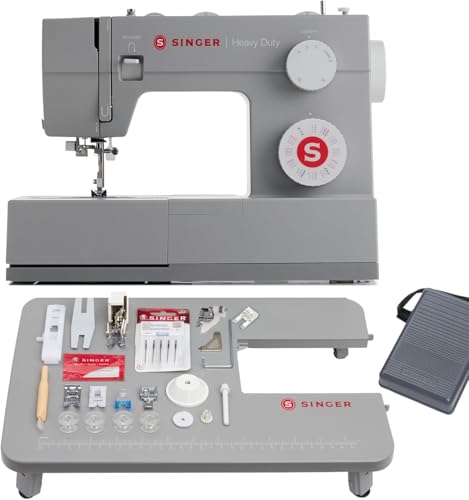
Leather sewing generates vibration and stress. A plastic frame can flex, leading to skipped stitches and inconsistent tension. A full metal frame provides the rigidity needed to keep the machine stable, even when you are pushing thick material through. The SINGER 4452 and the SINGER 4423 both feature full metal frames that reduce vibration and ensure long-lasting durability.
Also consider the bedplate. A stainless steel bedplate allows leather to glide smoothly, preventing snags and drag. This is a small detail that makes a big difference when you are feeding thick material through the machine.
Stitch Options and Adjustability
Leather projects often require straight stitches, but you also need options for topstitching, edging, and buttonholes. A machine with a wide variety of built-in stitches gives you flexibility. The SINGER 6800C offers 586 stitch applications, including 9 one-step buttonhole styles, while the SINGER 6700C provides 411 stitch applications. More stitches mean more creative possibilities.
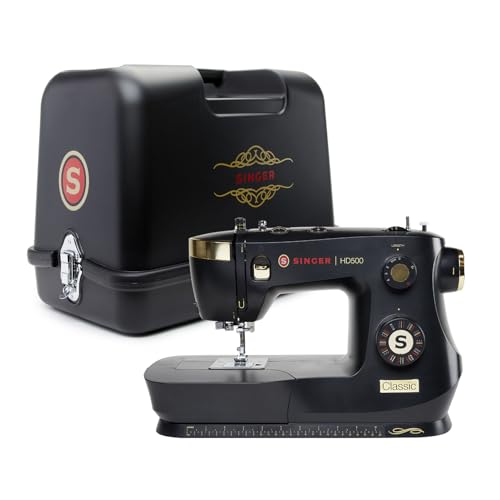
Adjustable stitch length and width are crucial when working with leather. You may need longer stitches for thick material to prevent perforation that can tear. Look for machines that allow you to customize stitch length up to at least 5mm. The SINGER Super Bundle, Heavy Duty 500 and the SINGER 4423 both offer adjustable stitch settings, giving you control over your seams.
Ease of Use and Convenience Features
Threading a needle can be a chore, especially when you are eager to start. A built-in needle threader saves time and reduces eye strain. A top drop-in bobbin system with a transparent cover lets you monitor thread supply at a glance, preventing mid-project interruptions. These features are standard on most of the models we reviewed, including the SINGER Super Bundle, Heavy Duty 500 and the SINGER 4452.
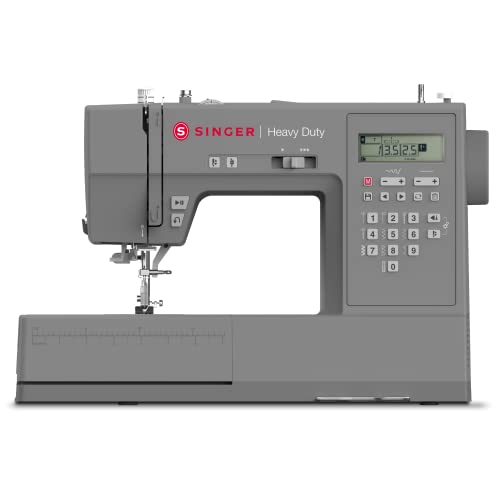
If you are new to sewing, you might appreciate a machine with a simple interface. Mechanical models like the SINGER 4423 use a dial for stitch selection, while computerized models like the SINGER 6700C feature an LCD screen and touch buttons. For a deeper look at computerized options, visit our guide on the top computerized sewing machines.
Final Thoughts
Choosing the best sewing machine for leather comes down to your specific needs. If you want a powerful, versatile machine with advanced features and a wide range of stitches, the SINGER 6800C is an excellent choice. For a more budget-friendly option that still delivers exceptional piercing power and durability, consider the SINGER 4423. Both machines handle leather with ease, but they cater to different levels of experience and project complexity. Whichever you pick, you will be ready to tackle your next leather creation with confidence.
Frequently Asked Questions
Can a regular sewing machine sew leather?
Standard sewing machines often struggle with leather because they lack the motor power and needle strength to pierce through thick material. A heavy duty machine, like the ones we reviewed, is specifically designed for this task. If you plan to sew leather regularly, investing in a heavy duty model is essential.
What type of needle do I need for sewing leather?
You should use a leather needle, which has a wedge-shaped point that cuts through leather rather than piercing it. Sizes 90/14 or 100/16 are common for medium to heavy leather. Always check your machine’s manual for recommended needle types and sizes.
Do I need a walking foot for sewing leather?
A walking foot helps feed thick materials evenly, preventing slippage and puckering. Many heavy duty machines include a walking foot or offer it as an accessory. It is highly recommended for leather projects, especially when sewing multiple layers.
What is the best sewing machine for leather for beginners in 2026?
For beginners, the SINGER 4423 is a great choice because it is user-friendly, affordable, and has enough power to handle leather. Its simple dial controls and automatic needle threader make it easy to learn. For more beginner-friendly options, check out our guide on the best sewing machines for beginners.
If you are looking for a machine that can also handle other home sewing tasks, you might want to explore our recommendations for the best sewing machine for home use.