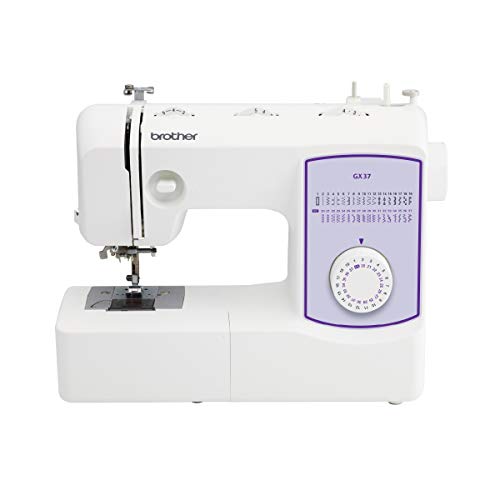

You have spent hours picking fabrics, cutting precise pieces, and dreaming of the perfect quilt. But when you sit down at your sewing machine, the struggle begins: thick layers jam, stitches skip, and the throat space feels too small. If this sounds familiar, you need a machine that can handle the demands of quilting without breaking the bank. In this guide, we review the best mid-priced sewing machines for quilting, focusing on models that offer professional features, durability, and ease of use. Whether you are a beginner or a seasoned quilter, our picks will help you find a reliable partner for your creative projects.
We have evaluated dozens of machines, considering stitch quality, speed, throat space, and user feedback. Our top contenders come from trusted brands like JUKI, Bernette, and Janome, each offering unique strengths. From the high-speed JUKI TL-2000Qi to the versatile Bernette B48 Funlock, these machines are designed to make quilting enjoyable. Let’s dive into our detailed reviews and buying guide to help you make an informed decision.


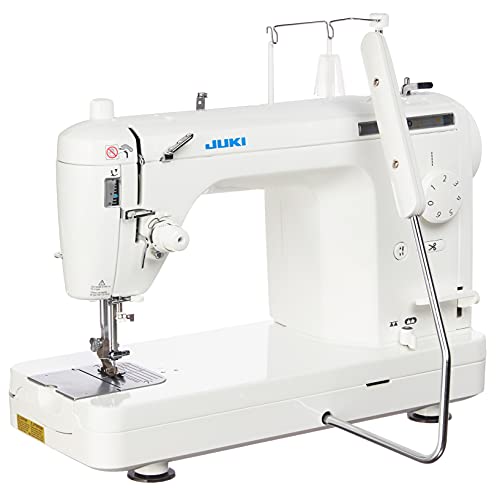
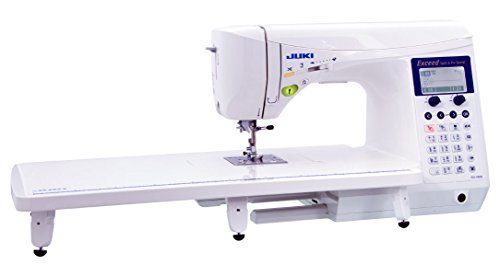
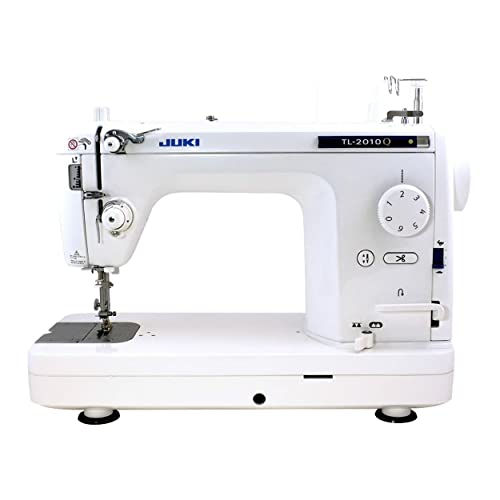
Buying Guide: What to Look for in a Mid-Priced Quilting Machine
Choosing the right quilting machine can be overwhelming, but focusing on a few key features simplifies the process. Here are our top criteria to consider when shopping for a mid-priced quilting machine.
Throat Space: Room to Maneuver Your Quilt
The throat space, the distance between the needle and the machine’s body, determines how easily you can move a bulky quilt. A larger throat space, typically 9 to 10 inches, is ideal for free-motion quilting and handling large projects. For example, the Janome MC6650 offers a generous 10-inch throat, making it a favorite among quilters. If you often work on king-size quilts, prioritize a machine with ample throat space to avoid frustration.
For more on this topic, check our guide on best large throat sewing machines for quilting to see how different models compare.
Stitch Quality and Speed: Precision and Efficiency
Quilting requires consistent, even stitches, especially when sewing through multiple layers. Look for a machine that offers adjustable stitch length and width, as well as a variety of built-in stitches. Speed is also crucial: a machine that sews at least 800 stitches per minute will save you time. The JUKI TL-2000Qi, for instance, delivers up to 1500 stitches per minute, making it a powerhouse for quilting. High speed does not mean sacrificing quality, as these machines are engineered for precision.
If you are new to quilting, you might also want to read our best sewing machine for quilt making article for additional tips.
Automatic Features: Simplify Your Workflow
Automatic needle threaders, thread trimmers, and knee lifters are not just luxuries; they enhance your quilting experience. These features save time and reduce eye strain, allowing you to focus on your craft. The JUKI TL-2010Q comes with an automatic thread trimmer and a knee lifter, which are incredibly handy when working on large quilts. Even if you are on a budget, many mid-priced machines now include these conveniences, so you do not have to compromise.
For a deeper dive into specific models, see our Janome MC6650 review to learn how its features perform in real quilting scenarios.
Durability and Frame: Stability Matters
A sturdy frame minimizes vibration, ensuring smooth stitching even at high speeds. Machines with aluminum or metal frames are more durable and can handle heavy fabrics without skipping stitches. The JUKI HZL-F600, for example, features a full-sized body that provides stability. When you are quilting for hours, a solid machine reduces fatigue and delivers consistent results. Check the construction materials before making a purchase; it is an investment in your craft.
If you are considering a serger for finishing edges, our Brother XR3774 review might surprise you, but for quilting, a dedicated machine is often better.
Final Thoughts
After evaluating the top mid-priced quilting machines, we confidently recommend the JUKI TL-2000Qi Sewing and Quilting Machine for its outstanding speed and precision, and the Bernette B48 Funlock Serger Coverstitch Overlock for those who want versatility in a serger. Both machines offer exceptional value for quilters seeking professional results without a high price tag. Whichever you choose, you are investing in a tool that will bring your quilting visions to life.
Frequently Asked Questions
What is the best mid-priced sewing machine for quilting?
Our top pick is the JUKI TL-2000Qi, offering high speed, a large throat space, and durable construction at a reasonable price point. It is a favorite among quilters for its professional performance. For a more budget-friendly option, consider the Bernette B48 Funlock, which combines serger and coverstitch functions.
How much should I spend on a quilting machine?
Mid-priced quilting machines typically range from $800 to $1500, offering a balance of features and durability. In 2026, you can find excellent models from JUKI, Janome, and Bernette that suit various budgets. Invest in a machine that meets your quilting needs without overspending on unnecessary extras.
What features are essential for quilting?
Key features include a large throat space (at least 9 inches), adjustable stitch length and width, a needle up/down function, and a knee lifter for hands-free presser foot control. Automatic needle threading is also a huge time-saver. Check out our juki TL-2010Q review to see how these features work in practice.
Can I use a regular sewing machine for quilting?
Yes, but it may not handle thick layers or large quilts as efficiently. Quilting machines offer more throat space, higher speed, and specialized features like a walking foot. For occasional quilting, a regular machine can work, but for serious projects, a dedicated quilting machine is worth the investment.
For more guidance, visit our quilting machines category to explore all options.