
You have a stack of heavy canvas, thick denim, or even leather ready to transform into a durable tote or a structured backpack. But your current sewing machine struggles with multiple layers, jams on thick seams, or simply lacks the power to punch through. Finding the best Juki sewing machine for bag making means looking for industrial-grade features in a home-friendly package: high-speed stitching, reliable feed mechanisms, and the ability to handle heavy materials without skipping a beat. In this guide, we have reviewed four top Juki models that excel in bag making, from sergers for finishing edges to straight-stitch workhorses for assembling main panels.
Whether you are a small-batch artisan or a hobbyist who loves crafting custom bags, these machines offer the precision and durability you need. For more insights on computerized options, check out our roundup of the best computerized long arm sewing machines for 2026.


Buying Guide
Stitching Speed and Power
Bag making often involves sewing through multiple layers of heavy fabric, webbing, and interfacing. A machine with a high stitches-per-minute (SPM) rating and a strong motor can maintain consistent speed and penetration. The JUKI TL-2000Qi, for instance, reaches 1500 SPM, which is ideal for quilting and bag construction. For more details on machines that handle heavy loads, read our juki 1541S review.
Automatic Thread Trimming and Needle Threading
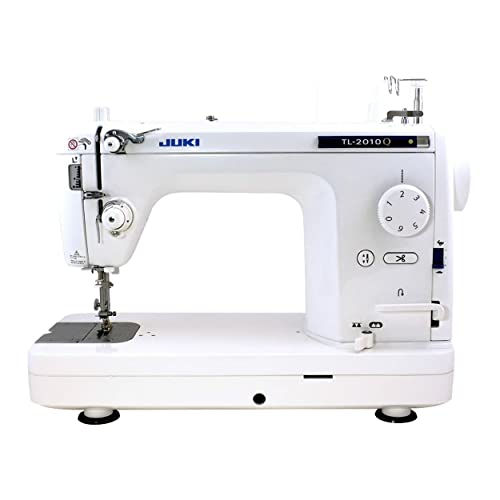
Efficiency matters when you are producing multiple bags. Automatic thread trimmers and needle threaders save time and reduce hand fatigue. The Juki TL-2010Q models feature an automatic thread trimmer that cuts both needle and bobbin threads with a button press, plus a push-lever needle threader. These features streamline your workflow, letting you focus on design rather than setup.
Work Area and Portability
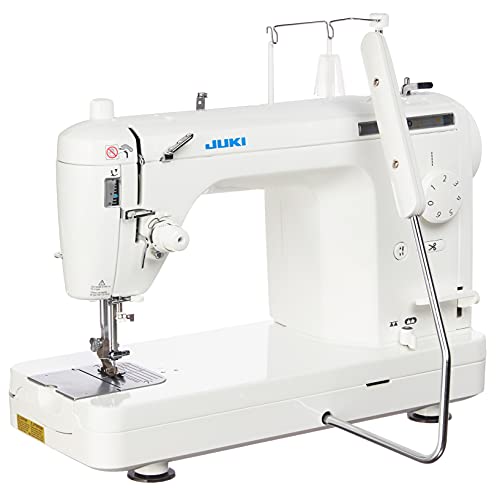
A large work area is crucial for maneuvering bulky bag panels. The JUKI TL-2000Qi comes with an extension table that provides ample space. If you attend sewing retreats or classes, portability matters. The Juki TL-2010Q is lightweight and portable, making it easy to transport. For more on machines that balance size and functionality, see our guide on best sewing machines for intermediate sewers.
Versatility with Fabric Types
Bag makers often work with a variety of materials, from lightweight linings to thick denim and faux leather. A machine that offers adjustable presser foot pressure, differential feed, and a walking foot option can handle these transitions smoothly. The Juki MO-50E serger, for example, has adjustable differential feed and a built-in rolled hem, perfect for finishing edges on bags. For more on machines that excel with diverse fabrics, explore our best sewing machine with overlock function article.
Final Thoughts
Choosing the best Juki sewing machine for bag making ultimately depends on your specific needs: if you want a versatile serger for finishing edges and seams on bags, the Juki, MO-50E, 3 or 4 Thread Serger delivers reliable performance with automatic threading and adjustable differential feed. For those who need a straight-stitch powerhouse for assembling heavy-duty bags, the Juki TL-2010Q 1-Needle, Lockstitch offers high-speed stitching, automatic thread trimming, and a knee lifter for hands-free presser foot control. Both models bring industrial-quality engineering to your home studio, ensuring your bag-making projects turn out professional every time.
Frequently Asked Questions
Can a Juki sewing machine handle thick fabrics like canvas and leather for bag making?
Yes, Juki machines are known for their ability to sew through heavy materials. Models like the TL-2010Q and TL-2000Qi feature powerful motors and strong feed systems that handle multiple layers of canvas, denim, and even lightweight leather with ease. For the best results, use a sharp needle appropriate for your fabric type.
What is the difference between the Juki TL-2000Qi and the TL-2010Q for bag making?
The TL-2000Qi offers a lower price point and includes an extension table, while the TL-2010Q provides a higher maximum stitch speed and an automatic thread trimmer. Both are excellent for bag making, but the TL-2010Q is better suited for high-volume production due to its time-saving features. For more on quilting machines, visit our quilting machines category.
Do I need a serger for bag making, or is a straight-stitch machine enough?
A straight-stitch machine like the Juki TL-2010Q is sufficient for assembling bag panels and adding topstitching. However, a serger like the Juki MO-50E is valuable for finishing raw edges, creating rolled hems, and sewing stretchy linings. Many bag makers use both types for a professional finish.
Are Juki sewing machines good for beginners who want to make bags?
Juki machines are generally designed for intermediate to advanced sewers due to their industrial-style features and speed. However, beginners who are committed to bag making can start with a model like the Juki TL-2000Qi, which has straightforward controls and an automatic needle threader. Taking a class or watching tutorials will help you get the most out of the machine.