
You’ve decided to invest in an embroidery machine, but the sheer number of options can feel overwhelming. Whether you’re a hobbyist looking to personalize gifts or a small business owner aiming to scale up production, the right machine makes all the difference. That’s where “best embroidery machine k s traders” comes in, a search term that leads you to a curated selection of top-tier models. In this guide, we’ll break down the best options available, focusing on features that matter most for your specific needs.
From versatile home combo machines to heavy-duty commercial workhorses, we’ve evaluated the top contenders to help you make an informed choice. We’ll cover key aspects like embroidery area, number of needles, ease of use, and connectivity, so you can find the perfect fit. Whether you’re just starting out or ready to upgrade, our expert insights will point you in the right direction. Let’s dive in and find your ideal embroidery partner.



Buying Guide: How to Choose the Right Embroidery Machine
Choosing an embroidery machine isn’t just about picking the most expensive model. It’s about finding the one that aligns with your skill level, project types, and production goals. Here are the critical factors to consider before making your investment.
Embroidery Area and Hoop Size
The embroidery area determines the maximum size of a single design you can stitch without re-hooping. For beginners and home users, a 4” x 4” or 5” x 7” area is often sufficient for monograms, small patches, and garment accents. If you plan to work on larger items like jackets or tote bags, consider a machine with a bigger field, such as the 14” x 20” area found on commercial models.
Larger hoops also offer more versatility for placement and design scaling. However, keep in mind that bigger machines often come with a steeper learning curve and higher price point. Assess your typical projects to determine the ideal hoop size for your needs.
Number of Needles and Thread Management
Single-needle machines require you to manually change thread colors for each design element, which can be time-consuming. Multi-needle machines, like the 10-needle or 15-needle models, hold multiple thread colors simultaneously, allowing for automatic color changes during stitching. This feature is a game-changer for production efficiency and complex designs.
If you’re running a small business, a multi-needle machine can dramatically reduce labor and increase output. For hobbyists, a single-needle machine might be perfectly adequate. Consider how often you’ll be switching threads and how much time you want to save.
Built-in Designs, Connectivity, and Software
Modern embroidery machines come with a variety of built-in designs, fonts, and editing features. Look for a machine with a good selection of designs and lettering styles if you want to start stitching right out of the box. Wireless connectivity and USB ports are also essential for importing custom designs from your computer or mobile device.
Advanced machines may offer compatibility with design software like Artspira or Design Database Transfer, giving you more creative control. For those interested in creating patches, check out our guide on the best embroidery machine to make patches. If you’re new to embroidery, you might also find our best entry level embroidery machine for beginners article helpful.
Machine Weight, Durability, and Support
For home use, a lightweight, portable machine is convenient to store and move. However, commercial machines are built with heavy-duty frames to withstand continuous, high-speed operation. If you’re investing in a commercial model, consider the space you have and the logistics of delivery and setup.
Equally important is the level of customer support and training provided by the manufacturer. Brands like Smartstitch offer extensive online communities and video tutorials, which can be invaluable for troubleshooting and skill development. Look for a brand that stands behind its product with reliable service.
Final Thoughts
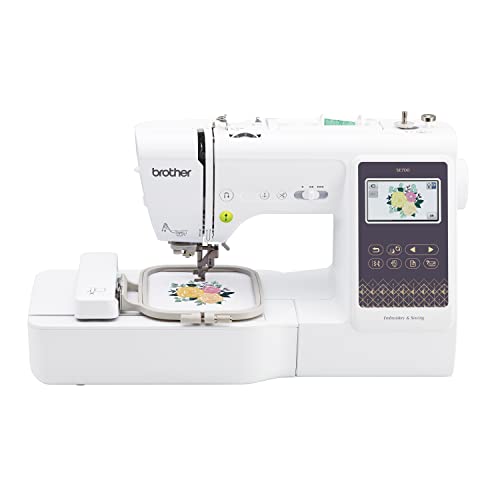
Ultimately, the best embroidery machine for you depends on your individual goals and budget. For those just starting their embroidery journey, the Brother SE700 Sewing and Embroidery Machine offers an excellent balance of features and ease of use, perfect for home projects and learning. On the other hand, if you’re ready to take your business to the next level, the Smartstitch S-1001 Upgraded Embroidery Machine provides the speed and multi-needle capability to handle high-volume orders with professional results. Whichever you choose, you’ll be equipped to bring your creative visions to life.
Frequently Asked Questions
What is the best embroidery machine for beginners?
For beginners, a machine like the Brother SE700 is a great starting point. It combines sewing and embroidery, offers a user-friendly touchscreen, and includes 135 built-in designs to get you started. It’s also wireless-enabled, making it easy to transfer custom designs.
Can I embroider on caps with a home embroidery machine?
Yes, many home machines can embroider on caps with the appropriate cap hoop attachment. However, for the best results, especially with structured or 3D caps, commercial machines like the Smartstitch S-1501 are specifically designed to handle the curvature and thickness of caps. If you’re focused on cap embroidery, consider a machine with a dedicated cap system.
What is the difference between a single-needle and multi-needle embroidery machine?
A single-needle machine uses one thread at a time, requiring you to manually change colors for each section of a design. A multi-needle machine holds multiple thread colors simultaneously, automatically switching between them during stitching. Multi-needle machines are faster and more efficient for production, but they are also more expensive and larger.
How do I transfer my own designs to an embroidery machine?
Most modern embroidery machines accept designs via USB, Wi-Fi, or a direct connection to a computer. You can import designs in formats like DST or DSB using software provided by the manufacturer, such as Brother’s Design Database Transfer. For more tips on custom designs, check out our article on the best embroidery machine for custom designs.