
You’ve got a stack of denim jackets, a pile of baseball caps, or a growing Etsy shop, and you’re ready to start stitching patches. But not all embroidery machines are created equal when it comes to patch making. You need something that handles thick materials, offers precise design placement, and can keep up with your creative flow. That’s where this guide comes in. We’ve evaluated the top contenders for the best embroidery machine to make patches in 2026, from versatile home combos to commercial workhorses. Whether you’re a hobbyist or a small business owner, we’ll help you find the right fit. If you’re also curious about broader options, check out our guide on the best embroidery machine for custom designs.


Buying Guide: What to Look For in a Patch Embroidery Machine
Embroidery Field Size
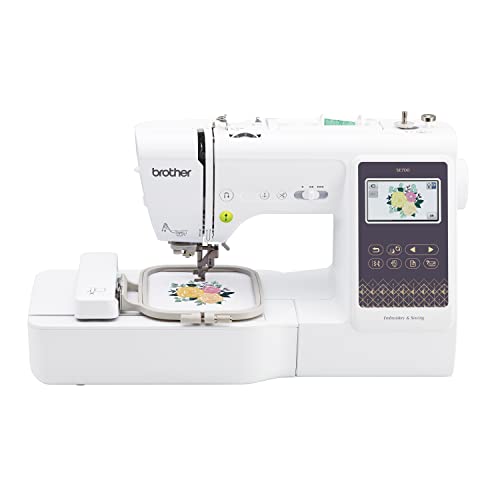
The size of the embroidery area determines the maximum patch dimensions you can create. For small patches, a 4″ x 4″ hoop might suffice, but if you plan to make larger patches or work on garments, a bigger field like 9.5″ x 14.2″ gives you more flexibility. Machines like the Brother SE700 Sewing and Embroidery Machine offer a compact 4″ x 4″ field, perfect for standard patches. For larger projects, consider a commercial model with a bigger hoop.
Number of Needles
Single-needle machines require manual thread changes for each color, which can be tedious when making multi-colored patches. Multi-needle machines, like the Smartstitch S-1001 Upgraded Embroidery Machine with 10 needles or the Poolin EOM 15 Needle Commercial Embroidery Machine, allow you to load multiple colors at once and switch automatically. This is a game-changer for production efficiency.
Stitching Speed and Durability
If you’re making patches for sale, speed matters. Commercial machines can stitch at up to 1,200 SPM (stitches per minute), drastically reducing production time. They also feature robust construction and self-lubrication for long hours of use. For occasional home projects, a slower speed is acceptable, but for a business, you’ll want the reliability of a commercial model.
Ease of Use and Connectivity
Look for machines with intuitive touchscreens, built-in designs, and the ability to import custom files via USB or Wi-Fi. Features like automatic thread trimming and laser positioning can save you time and reduce errors. The Brother SE700 Combo Embroidery & Sewing Machine offers wireless connectivity and a user-friendly interface, making it a great choice for beginners. If you’re just starting out, you might also want to explore our best entry level embroidery machine recommendations.
Final Thoughts
Choosing the best embroidery machine to make patches comes down to your specific needs and budget. For hobbyists and beginners, the Brother SE700 Sewing and Embroidery Machine is a solid, user-friendly option with a great balance of features. For small businesses or serious patch makers, the Smartstitch S-1001 Upgraded Embroidery Machine offers commercial speed and multi-needle convenience at a reasonable price point. Whichever you choose, you’re one step closer to creating professional-quality patches.
Frequently Asked Questions
Can I use a regular embroidery machine to make patches?
Yes, you can make patches with a standard home embroidery machine as long as it has a hoop and can handle the fabric and stabilizer. However, for thicker materials or larger patches, a commercial machine with more power and a larger field is recommended.
What is the best embroidery machine for making patches at home?
For home use, the Brother SE700 is a popular choice due to its ease of use, built-in designs, and wireless connectivity. It’s perfect for creating small to medium patches with up to 4″ x 4″ designs.
Do I need a multi-needle machine for patches?
Not necessarily, but multi-needle machines significantly speed up production if you’re making many patches with multiple colors. They eliminate the need to stop and change threads, which is a huge time-saver.
What stabilizer should I use for patch embroidery?
Cut-away stabilizer is best for patches because it provides permanent support and prevents stretching. You can also use a water-soluble topping to prevent the stitches from sinking into the fabric.
For more tips on choosing the right machine, see our best at home embroidery machine guide. And if you’re on a budget, check out our best low cost embroidery machine roundup.