
You have a vision for a custom embroidered jacket, a set of personalized towels, or a unique gift for a friend. But standing in the craft store aisle or scrolling through endless online listings, you feel overwhelmed by the choices and jargon. Finding the best at home embroidery machine that matches your skill level and project goals can feel like a daunting task. This guide cuts through the noise, reviewing seven top-rated models from leading brands like Brother, Smartstitch, and Ricoma to help you make a confident decision.
Whether you are a complete beginner looking for a simple sewing and embroidery combo or a small business owner needing a commercial-grade workhorse, we have evaluated machines that fit a wide range of needs. For those just starting their journey, we recommend checking out our guide on the best entry level embroidery machine for beginners in 2026 for more targeted advice.




Buying Guide
Choosing the right embroidery machine for your home involves balancing several key factors. Here are the most important criteria to consider before making your purchase.
Embroidery Area and Hoop Size
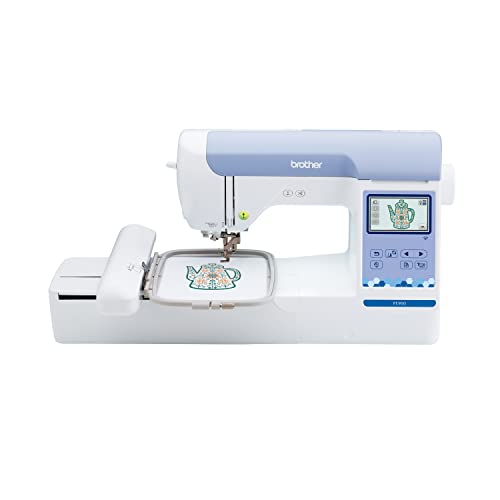
The embroidery area determines the maximum size of a single design you can stitch. A 4×4 inch hoop is standard for beginners and works well for monograms and small patches. For larger projects like shirt backs or jacket logos, look for machines with a 5×7 inch or larger field, such as the Brother PE900. Multi-needle machines like the Smartstitch S-1501 offer expansive 20×14 inch areas for maximum versatility.
Consider what you plan to embroider most often. If you only make small items, a compact field is fine. If you want to tackle full back designs or large hoops, invest in a bigger embroidery area from the start.
Number of Needles and Automatic Features
Single-needle machines require you to manually change thread colors for each section of a design. Multi-needle machines, with 6, 8, or 15 needles, automate color changes, saving significant time on multi-color projects. Look for automatic thread trimming, color change, and thread break detection features, which are standard on models like the MYADDTIME 8-needle machine. These features reduce hands-on time and make the embroidery process smoother.
For those running a home business, a multi-needle machine with automated functions is a worthwhile investment. If you are a hobbyist who enjoys the process, a single-needle model may be perfectly adequate.
Connectivity and Design Editing
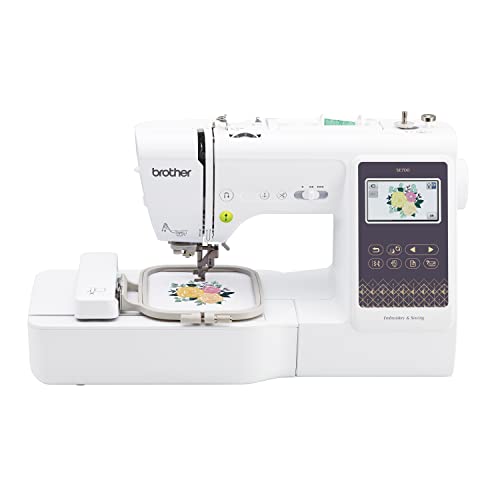
Modern machines offer various ways to get designs from your computer or mobile device to the machine. Wireless LAN connectivity, as found on Brother models, allows you to transfer files without USB drives. A large color touchscreen, like the 3.7-inch display on the Brother SE700, makes on-machine editing, resizing, and rotating easy. Some machines also work with mobile apps like Artspira for creating custom patterns.
Consider how you plan to source and customize designs. If you like to edit on the fly, a responsive touchscreen is crucial. If you prefer to do all editing on a computer, reliable file transfer is more important. For more on this topic, see our review of the Brother SE600 Embroidery Machine to understand how connectivity options compare.
Build Quality and Support
An embroidery machine is an investment, so build quality matters. Look for sturdy metal frames that reduce vibration at higher speeds, especially for multi-needle machines. Reliable customer support and training resources are equally important. Brands like Smartstitch offer dedicated user communities and video training, which can be invaluable for beginners. Checking reviews for long-term reliability and support responsiveness is a smart step before buying.
For small business owners, machine downtime is costly. Prioritize brands with a reputation for durability and accessible technical support. You can explore more options in our roundup of top embroidery machines for your startup in 2026.
Final Thoughts
Choosing the best at home embroidery machine comes down to matching the machine’s capabilities with your specific needs and ambitions. For beginners and hobbyists who want a versatile sewing and embroidery combo with modern wireless features, the Brother SE700 Sewing and Embroidery Machine is an excellent starting point. If you are ready to scale your small business or tackle complex, multi-color projects with professional speed, the MYADDTIME Embroidery Machine with 8 Needles offers a fantastic balance of automation, embroidery area, and user-friendly design for home use. No matter which path you choose, the right machine will unlock a world of creative possibilities.
Frequently Asked Questions
What is the best at home embroidery machine for a beginner?
For beginners, the Brother SE700 is a top choice. It combines sewing and embroidery in one machine, has a user-friendly color touchscreen, and includes 135 built-in designs. Its wireless connectivity also makes it easy to transfer new patterns from a computer or mobile device.
Can I embroider on hats with a home embroidery machine?
Yes, many modern home machines can embroider on hats. Models like the Smartstitch S-1501 and the MYADDTIME 8-needle machine include specialized cap drivers and raised needle plates for hat embroidery. For more specific information, see our guide on best embroidery machine for making patches in 2026, which also covers hat techniques.
How many needles do I need in an embroidery machine?
For a hobbyist, a single-needle machine is often sufficient, though it requires manual color changes. For anyone planning to do frequent multi-color work or run a small business, a multi-needle machine (6 to 15 needles) dramatically increases efficiency by automating color changes and reducing downtime.
What is the difference between a sewing and embroidery machine and an embroidery-only machine?
A sewing and embroidery combo machine, like the Brother SE700, allows you to both sew garments and embroider designs in one unit. An embroidery-only machine, like the Brother PE900, is dedicated solely to embroidery and typically offers a larger embroidery field and more specialized features for stitching designs. Your choice depends on whether you need sewing functions as well.