
You have finally decided to upgrade your sewing toolkit with a serger, but the choices feel endless. Maybe you sew garments for your family, tackle home decor projects, or dream of starting a small Etsy shop. A 3 or 4 thread serger like the Juki MO-50E promises clean seams, professional finishes, and speed. But is it the right machine for your sewing room? In this review, we break down the Juki MO-50E alongside two strong competitors to help you decide. Whether you prioritize ease of threading, stitch versatility, or long term durability, we have you covered. For a broader look at top machines, check out our guide to the best sergers and overlock machines.


Buying Guide
Ease of Threading
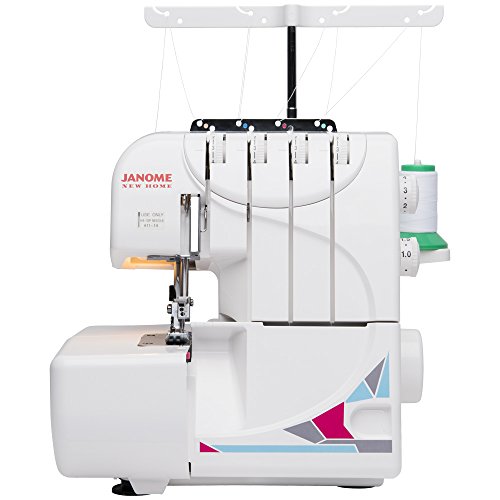
Threading a serger can feel like solving a puzzle. The Juki MO-50E uses a lay in tension system, so you simply drop the thread into the tension discs. No pulling or tugging. The automatic lower looper threader is a game changer for beginners. The Janome MOD-8933 also offers a lay in system with color coded guides that make it easy to follow. If you hate wrestling with thread, either of these models will save you time and frustration.
Stitch Options and Versatility
A 3 or 4 thread serger gives you flexibility. Use 4 threads for strong, durable seams on woven fabrics, or switch to 3 threads for lighter knits and decorative edges. The Juki MO-50E includes a built in rolled hem, so you can create delicate finishes on napkins or blouses without an extra attachment. The Janome MOD-8933 also converts quickly between 3 and 4 threads, plus it offers an adjustable presser foot pressure for different fabric weights. For more on choosing the right machine, see our top picks for serger machines.
Differential Feed Performance
Differential feed prevents stretching and puckering, which is essential for knits and lightweight fabrics. Both the Juki MO-50E and Janome MOD-8933 offer adjustable differential feed. The Juki model gives you precise control, while the Janome adds a pretension setting slider for the lower looper. If you sew a lot of stretchy fabric, this feature will keep your seams flat and professional.
Build Quality and Longevity
Juki is known for industrial grade construction, and the MO-50E feels solid without being too heavy. The Janome MOD-8933 is also well built, but some users note the plastic components may not hold up as well over decades of heavy use. If you plan to sew daily or for many years, the Juki MO-50E is a reliable workhorse. For occasional projects, the Janome offers excellent value.
Final Thoughts
After evaluating these three machines, we believe the Juki, MO-50E, 3 or 4 Thread Serger is the best choice for sewists who want reliable performance, easy threading, and a built in rolled hem without breaking the bank. If you prefer a color coded lay in system and extra adjustability, the Janome MOD-8933 Serger with Lay-In Threading is a worthy alternative that handles knits and woven fabrics with equal skill. Both machines deliver professional results and will elevate your sewing projects.
Frequently Asked Questions
What is the difference between 3 and 4 thread serging?
A 3 thread serger uses three threads to create a narrow, flexible seam ideal for knits and lightweight fabrics. A 4 thread serger adds a fourth thread for a wider, stronger seam that is better suited for woven fabrics and seams that endure stress. Both the Juki MO-50E and Janome MOD-8933 let you switch between these options.
Is the Juki MO-50E good for beginners?
Yes. The lay in tension system and automatic lower looper threader make threading straightforward. Beginners can start sewing quickly without a steep learning curve. The machine also includes a built in rolled hem, which is a nice bonus for learning new techniques.
Can I use a serger for heavy fabrics like denim?
Yes, but you need a machine with enough power and an adjustable differential feed. The Juki MO-50E handles medium to heavy fabrics well. For very thick layers, you may need to slow down or use a walking foot attachment if available.
How do I maintain my serger in 2026?
Regular cleaning and oiling keep your serger running smoothly. Remove lint after each project, oil the looper areas as recommended in the manual, and check the knife for dullness. For more tips, read our guide on choosing the best serger machine.