

You’ve spent hours piecing a quilt top, and now the real work begins: quilting those layers together. But your current machine is struggling, skipping stitches on the batting, or just not giving you the speed you need. If that sounds familiar, you’re likely considering a serious upgrade, and the JUKI TL-2000Qi sewing machine review you’re reading now is a great place to start.
This guide breaks down the JUKI TL-2000Qi, a machine that has earned a loyal following among quilters and garment makers. We’ll cover its key features, compare it to other JUKI models, and help you decide if it’s the right investment for your creative space in 2026. For more options, check out our roundup of the best sewing machines for quilt making.
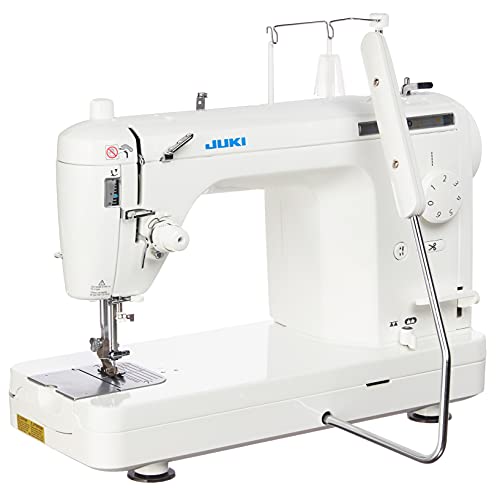

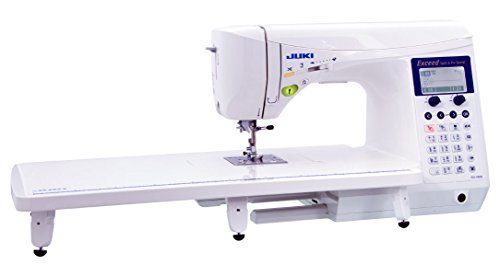
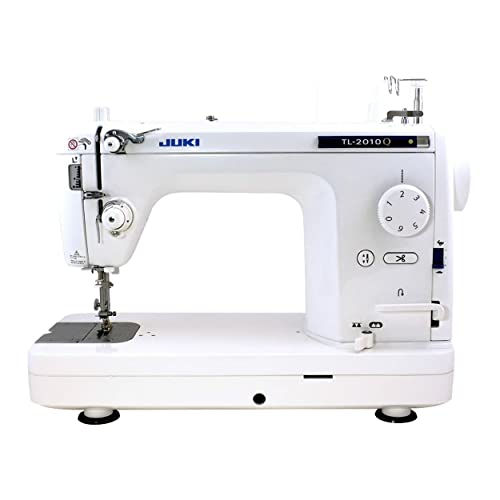

Buying Guide: What to Look for in a Quilting Sewing Machine
Before you commit to a specific model, it’s helpful to understand what makes a machine truly great for quilting. Not all sewing machines are created equal, and the right features can make the difference between a joyful project and a frustrating one.
Speed and Stitch Quality
Quilting often involves long, straight seams and free-motion work. A machine that can sew at a high speed, like the TL-2000Qi’s 1,500 stitches per minute, helps you power through projects without sacrificing stitch quality. Look for a machine that maintains consistent tension at high speeds, as this prevents puckering and uneven stitches.
Also, consider the stitch length range. A longer stitch length is useful for basting or gathering, while shorter stitches are great for detailed work. The TL-2000Qi offers a generous range, giving you flexibility across different fabric weights.
Workspace and Throat Space
If you plan to quilt large projects, the space to the right of the needle, known as the throat space, is critical. A larger throat allows you to maneuver a bulky quilt with ease. The TL-2000Qi comes with an extension table, creating a wide work area that supports the weight of your project, reducing strain on your shoulders and arms.
For those who also sew garments, a free arm is handy for cuffs and sleeves. While the TL-2000Qi is a flatbed machine, its large surface is a trade-off many quilters happily accept. If you need a free arm, consider a model like the Juki HZL-HT740, which offers that versatility.
Durability and Build Quality
A machine that will see heavy use needs a sturdy frame. Look for a die-cast aluminum or metal interior frame, which minimizes vibration and ensures the machine stays stable even at top speed. The TL-2000Qi features an aluminum die-cast arm and bed, a hallmark of JUKI’s industrial heritage.
This build quality not only extends the machine’s lifespan but also contributes to quieter operation. A stable machine is less likely to walk or shift on your table, allowing you to focus on your stitching. For heavy-duty projects, you might also explore our guide to the best heavy duty sewing machines for home use.
Ease of Use and Convenience Features
Threading a needle can be a chore, especially with aging eyes. An automatic needle threader is a small feature that makes a big difference. Similarly, a knee lifter, which lets you raise the presser foot without using your hands, is invaluable when you’re positioning fabric frequently.
Also, check for LED lighting. Bright, cool-to-the-touch LEDs illuminate your work area without casting shadows, making it easier to see fine details. The TL-2000Qi includes updated LED lights, a welcome improvement over older models.
Final Thoughts
After reviewing the features and comparing it to the competition, the JUKI TL-2000Qi stands out as a powerful, dedicated straight-stitch machine that excels at quilting and garment construction. If you crave speed and precision, it’s a fantastic choice. For those who want the added convenience of automatic thread trimming and a slightly more portable design, the Juki TL-2010Q 1-Needle, Lockstitch is equally impressive. Both machines represent the best of JUKI’s engineering, so your decision ultimately comes down to which features matter most to you.
Frequently Asked Questions
Is the JUKI TL-2000Qi good for beginners?
The TL-2000Qi is a straight-stitch only machine, meaning it doesn’t offer zigzag or decorative stitches. This makes it less versatile for a beginner who wants to learn various techniques. However, if you’re a beginner focused specifically on quilting or garment sewing, its simplicity and ease of use can be an advantage. For a more versatile first machine, you might consider a computerized model like the Brother XM2701.
What is the difference between the JUKI TL-2000Qi and the TL-2010Q?
The main difference is the automatic thread trimmer on the TL-2010Q, which cuts both needle and bobbin threads at the touch of a button. The TL-2000Qi lacks this feature, so you’ll need to trim threads manually. The TL-2010Q also has a slightly higher maximum presser foot lift, which can be helpful for very thick materials.
Can the JUKI TL-2000Qi handle heavy fabrics like denim?
Yes, the TL-2000Qi is quite capable of sewing through multiple layers of denim or other heavy fabrics. Its powerful motor and sturdy feed system handle thick materials with ease, making it a favorite among those who sew jeans, bags, and upholstery. For more tips on heavy-duty sewing, see our best sewing machine for upholstery work guide.
Does the JUKI TL-2000Qi come with a warranty?
Yes, JUKI typically offers a limited warranty on their machines, usually covering parts and labor for a specified period. It’s always a good idea to check the warranty details with the seller before purchasing. In 2026, most authorized dealers provide at least a 2-year warranty on this model.


