

You’ve spent hours choosing fabrics, cutting precise squares, and planning the perfect layout. Now comes the moment of truth: stitching it all together. But if your current machine struggles with thick layers, skips stitches, or offers a tiny throat space, quilting can quickly become a chore. That’s where a dedicated quilting machine makes all the difference.
In this guide, we’ve evaluated the best sewing machines for quilt making in 2026, focusing on models that offer the space, speed, and stitch quality you need for beautiful results. Whether you’re a beginner piecing your first quilt or an experienced quilter ready to tackle free-motion designs, we’ve got you covered. We’ll also share key buying criteria so you can make an informed choice. For a broader look at quilting machines, check out our top quilting sewing machines reviewed for 2026.





Buying Guide: What to Look for in a Quilting Sewing Machine
Throat Space: Room to Maneuver
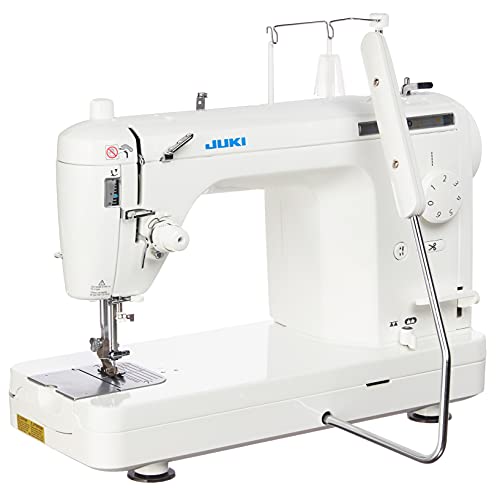
The throat space, the distance between the needle and the machine’s body, determines how easily you can maneuver a bulky quilt. A larger throat, typically 7 inches or more, is ideal for free-motion quilting and handling rolled quilts. Machines like the JUKI TL-2000Qi offer a generous work area, especially with the included extension table, making it easier to manage large projects.
For those who primarily piece quilts, a standard throat might suffice, but if you plan to do extensive quilting, prioritize a model with ample space. Our 5 top quilting machines for every skill level guide highlights models with varying throat sizes to suit different needs.
Stitch Quality and Speed
Consistent, even stitches are non-negotiable in quilting. Look for machines that offer adjustable stitch length and width, as well as a variety of utility stitches. High-speed sewing, measured in stitches per minute (SPM), can significantly speed up your quilting. The JUKI TL-2000Qi, for instance, sews at an impressive 1500 SPM, which is perfect for long seams and quilting lines.
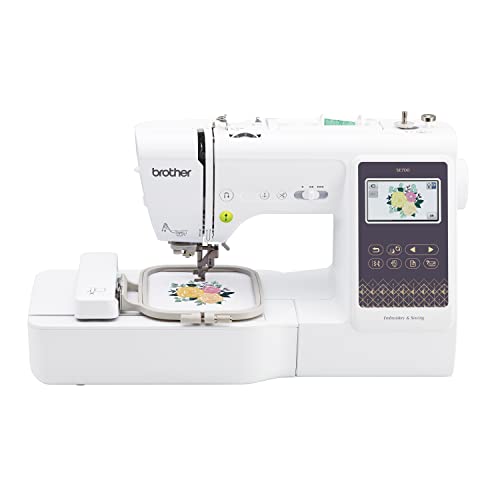
Also, consider a machine with a drop feed dog for free-motion quilting, allowing you to move the fabric freely in any direction. Many Brother models, like the SE700, include this feature, giving you creative freedom.
Built-in Features and Accessories
Modern quilting machines come with a host of features that simplify the process. An automatic needle threader saves time and frustration, while a top drop-in bobbin system makes bobbin changes quick and jam-resistant. A large touchscreen display, like the 3.7-inch screen on the Brother SE2000, allows for easy stitch selection and design editing.
Additionally, look for a machine that includes a range of presser feet, such as a walking foot, quilting foot, and free-motion foot. These accessories are essential for different quilting techniques and can save you money in the long run. For a detailed look at a machine that excels in this area, see our Brother XR3774 review.
Durability and Build Quality
Quilting involves hours of continuous use, so a sturdy machine is a must. Look for models with a metal frame or aluminum die-cast arm, as they offer stability and reduce vibration. The JUKI TL-2000Qi is known for its robust construction, ensuring smooth operation even at high speeds. A heavy-duty machine will handle multiple layers of fabric without skipping stitches or breaking needles.
If you’re considering a long-arm quilter, our best long arm quilting machine reviews can provide further insight into those larger, professional-grade options.
Final Thoughts
Choosing the right quilting machine ultimately depends on your specific needs and budget. For a versatile option that combines sewing and embroidery, the Brother SE700 Sewing and Embroidery Machine is an excellent choice, offering a wide range of features for creative projects. If you prioritize speed and precision for quilting specifically, the JUKI TL-2000Qi Sewing and Quilting Machine is a dedicated workhorse that will not disappoint. Whichever you choose, you’ll be well-equipped to bring your quilting visions to life.
Frequently Asked Questions
What is the best sewing machine for quilt making for beginners?
For beginners, a machine that is easy to use and offers a variety of stitches is key. The Brother SE700 is a great starting point, with its automatic needle threader, jam-resistant bobbin, and intuitive touchscreen. It also allows you to explore embroidery later on.
Do I need a special sewing machine for quilting?
While you can quilt on a regular sewing machine, a quilting-specific model offers features like a larger throat space, a walking foot, and higher sewing speed, which make the process easier and more enjoyable. If you plan to quilt regularly, investing in a machine designed for quilting is worth it.
Can I use a serger for quilting?
A serger is not typically used for piecing quilts, but it can be used to finish raw edges of quilt seams or create decorative effects. Machines like the Brother AIR1800 are excellent for finishing edges on quilts and other projects, especially those with stretchy or delicate fabrics.
What is the ideal throat space for quilting?
For quilting, a throat space of at least 7 inches is recommended, as it allows you to comfortably maneuver a rolled quilt. Machines like the JUKI TL-2000Qi offer a generous work area, and with the extension table, you have plenty of room to work. For more on this, see our juki TL-2010Q review.

