

Are you tired of fraying seams and unfinished edges on your handmade garments? A sewing machine with overlock function can transform your projects, giving them that professional, store-bought finish. This guide reviews the top sergers of 2026, from budget-friendly models to heavy-duty workhorses, helping you find the perfect partner for your sewing room.


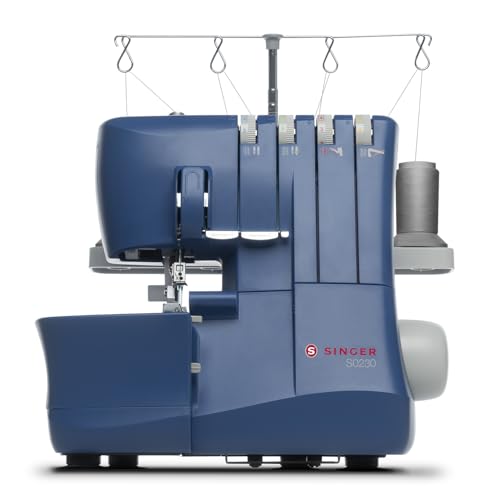


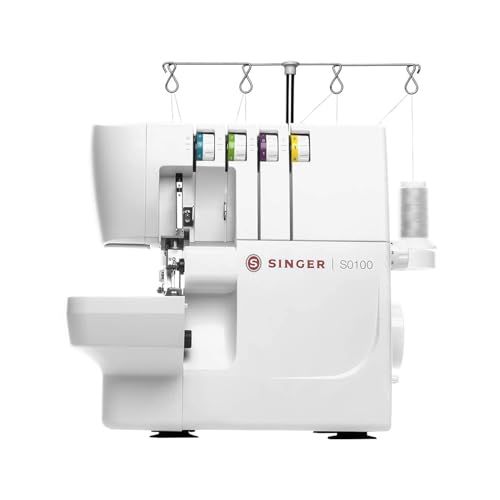
Buying Guide: What to Look For in a Serger
Thread Capability: 2, 3, or 4 Threads
Most sergers offer 2, 3, or 4-thread configurations. A 4-thread overlock stitch is the strongest and most versatile, ideal for seams that need to withstand wear and tear. A 3-thread stitch is perfect for lightweight fabrics and decorative edges, while a 2-thread option works well for rolled hems on napkins or scarves. Choose a machine that lets you switch between these options easily.
Stitches Per Minute (SPM) and Speed Control
Higher SPM means faster project completion. Most machines in this guide operate at 1,250 to 1,300 stitches per minute, which is plenty for home sewing. However, variable speed control via a foot pedal is crucial for precision work, especially when navigating curves or delicate fabrics. Look for a model with a responsive pedal that allows you to sew slowly when needed.
Differential Feed
This feature prevents stretching on knits and puckering on lightweight fabrics. It adjusts the feed ratio to keep seams flat and even, which is a game-changer when working with challenging materials like jersey or chiffon. If you sew a lot of t-shirts or activewear, differential feed is a must-have. For more on choosing the right machine for different fabrics, check out our guide on sewing machines for intermediate sewers.
Ease of Threading and Setup
Threading a serger can be intimidating, but many modern machines feature color-coded guides and open threading areas that simplify the process. Some models, like the SewLaVie 360, come pre-threaded and ready to sew out of the box. For beginners, a machine with a visual threading guide and included video tutorials can make all the difference. If you are just starting your sewing journey, explore our beginner sewing machines category for more options.
Final Thoughts
Choosing the best sewing machine with overlock function depends on your specific needs. For a durable, high-speed serger that handles heavy fabrics with ease, the SINGER® HD0500S Heavy Duty Serger Overlock is an excellent choice. If you prefer a beginner-friendly model with open threading and a lower price point, the SewLaVie 360 Upgraded Serger Overlock Machine offers great value and ease of use. Both machines will elevate your sewing projects to a professional level.
Frequently Asked Questions
Can a serger replace a regular sewing machine?
No, a serger is designed for finishing seams, hemming, and cutting fabric edges. It cannot replace a standard sewing machine for tasks like buttonholes, zippers, or topstitching. Most sewists use both machines together for best results.
What is the difference between a serger and an overlock machine?
These terms are often used interchangeably. Both create overlock stitches that trim and finish fabric edges in one step. Some machines also offer additional stitch types like rolled hems or flatlocking.
Is it hard to thread a serger?
Threading a serger can be tricky at first, but modern machines with color-coded guides and open threading areas make it much easier. Many models also include video tutorials to walk you through the process. For more tips, read our brother XR9550 review which covers a computerized model with easy threading.
What type of thread should I use in a serger?
Use high-quality serger thread or all-purpose polyester thread. Avoid using cheap thread, as it can cause breakage and lint buildup. For best results, use the same thread type in all loopers and needles.

