

You have a stack of fabric scraps, a vision for custom patches, and a growing frustration with hand stitching. Whether you want to personalize a denim jacket, start a small patch business, or create uniform badges for a club, finding the best embroidery machine for making patches is the first step. This guide reviews seven top models from Brother, Poolin, and Smartstitch, covering everything from beginner-friendly combos to industrial multi-needle machines. We focus on features that matter most for patch production: hoop size, stitch quality, design transfer, and ease of use. For more on large embroidery areas, check out our poolin EOC07 embroidery machine review.




Buying Guide
Hoop Size and Embroidery Area
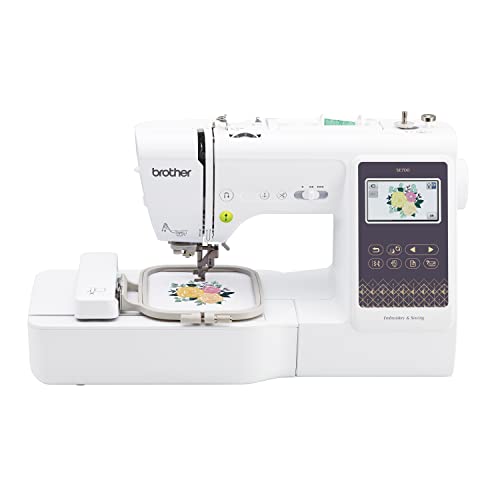
Patch size determines your hoop requirement. For standard patches up to 4×4 inches, a machine like the Brother SE700 with its 4×4 inch field works well. If you plan to make larger patches or multiple patches in one hooping, look for a machine with a bigger embroidery area, such as the Poolin EOC06 with a 7.9×11 inch field or the Smartstitch S-1501 Ultra with a 20×14 inch area. A larger hoop reduces rehooping and improves alignment for multi-patch sheets.
Consider the types of patches you want to produce. Small logo patches for hats or bags need less space, while back patches for jackets or large badges require a generous field. For commercial patch production, a multi-needle machine with a large area, like the Poolin 15 Needle Commercial Embroidery Machine, can handle bulk orders efficiently. For more on commercial machines, see our best embroidery machine for commercial use guide.
Stitch Quality and Speed
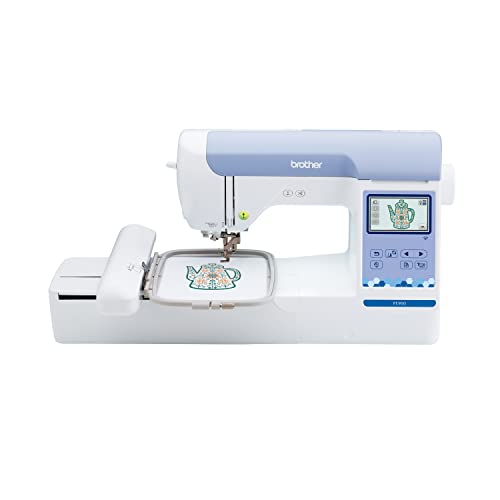
Patches demand dense, clean stitching to withstand wear and washing. Look for machines that offer adjustable stitch density and speed control. The Smartstitch S-1501 Ultra reaches 1200 stitches per minute with automatic color change and thread break detection, ensuring consistent quality during long runs. For home use, the Brother PE900 provides jump stitch trimming and color sort features that reduce thread changes and improve stitch finish.
Test the machine with different fabric types if possible. Denim, canvas, and twill are common patch backings. A machine with a strong frame and stable operation, like the Smartstitch S-1502HC two-head model, minimizes vibration and maintains stitch integrity at high speeds. For a deeper dive into sewing and embroidery combos, read our Brother SE2000 Review.
Design Transfer and Editing
Modern machines offer multiple ways to import and edit patch designs. Wireless LAN and Wi-Fi transfer, available on Brother SE700, PE900, and Poolin EOC06, let you send files from your computer or mobile device without cables. A touchscreen display, like the 3.7 inch screen on the Brother models or the 7 inch screen on the Poolin EOC06, allows on-machine editing: resizing, rotating, and combining designs before stitching.
For commercial use, the Poolin 15 Needle machine includes a 10 inch touchscreen with the InStitch OS5 system and cloud software for managing large design libraries. Built-in designs and fonts are useful for quick projects, but the ability to import custom DST and DSB files is essential for creating original patches. If you are starting a home business, our best embroidery machine for home business guide offers additional insights.
Ease of Use and Maintenance
Patch making involves frequent color changes and hoop adjustments. Features like automatic needle threading, drop-in bobbin, and thread break alerts save time and reduce frustration. The Brother SE700 and PE900 include auto needle threaders and jam resistant bobbins. The Poolin EOC06 bundle adds prewound bobbins and a large thread set to minimize setup interruptions.
For heavy use, consider machines with self-lubrication systems, like the Smartstitch S-1501 Ultra and S-1502HC, which reduce manual maintenance. Commercial machines also offer physical buttons alongside touchscreen controls for quick access during production. Always check the manufacturer’s support resources, including video tutorials and user groups, to ensure you can get help when needed.
Final Thoughts
Choosing the best embroidery machine for making patches depends on your volume and budget. For home crafters and small batch production, the Brother SE700 Sewing and Embroidery Machine offers a great balance of features, including wireless transfer and a 4×4 inch hoop, while the Poolin 15 Needle Commercial Embroidery Machine delivers industrial speed and a large 20×14 inch embroidery area for serious patch businesses. Both machines provide the stitch quality and design flexibility needed to turn your patch ideas into reality.
Frequently Asked Questions
What is the best embroidery machine for making patches for beginners? The Brother SE700 is an excellent starting point. It combines sewing and embroidery, has a 4×4 inch hoop, and includes 135 built-in designs and wireless transfer. Its large touchscreen makes editing easy for newcomers.
Can I use a regular sewing machine to make patches? No, a regular sewing machine cannot create the dense, multi-colored designs that define patches. You need an embroidery machine that automates stitch patterns and color changes. For patch making, an embroidery machine is essential.
What size hoop do I need for patch making? For standard patches, a 4×4 inch hoop is sufficient. For larger patches or multiple patches in one hooping, consider a machine with a 5×7 inch or larger field, like the Brother PE900 or Poolin EOC06. The Smartstitch S-1501 Ultra offers a 20×14 inch area for commercial use.
How do I transfer my own patch designs to an embroidery machine? Most modern machines support Wi-Fi or USB transfer of DST and DSB files. The Brother SE700 and PE900 use the Artspira mobile app and Design Database Transfer software. The Poolin EOC06 and Smartstitch models also offer wireless transfer for custom designs. For more tips, see our best embroidery machine for home business guide.


