
You have just unboxed your first sewing machine, and the manual looks like a maze of diagrams and jargon. The needle seems too small, the thread path too complex, and you wonder if you will ever sew a straight line. You are not alone. Learning how to thread a sewing machine is the first real hurdle for every beginner, and getting it right sets the foundation for all your future projects. This guide walks you through the essential steps, common mistakes, and the best resources to help you thread with confidence from day one. Whether you own a mechanical model or a modern computerized machine, the core principles remain the same. For a broader look at finding the right machine for your needs, check out our guide on how to choose a sewing machine.


Buying Guide: What to Look for in a Sewing Machine Guide
Clear Step-by-Step Instructions
The best sewing machine guides break down threading into simple, repeatable steps. Look for resources that include labeled diagrams or photographs showing the exact thread path from spool to needle. A good guide will also explain how to adjust tension and wind a bobbin, since these skills go hand in hand with threading. Books like Sewing Machines Made Simple excel at this, offering visual cues that reduce confusion.
Compatibility with Your Machine Type
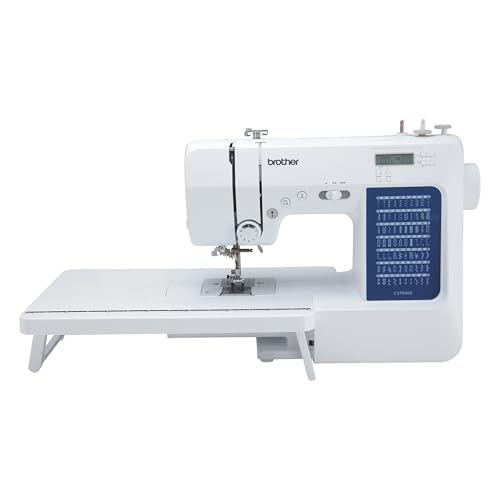
Not all threading methods are identical. Mechanical machines often have a simpler path, while computerized models may include automatic needle threaders or additional tension disks. A comprehensive guide should address both types, helping you adapt the general process to your specific model. If you own a computerized machine, you might find our brother CS7000X review helpful for understanding its threading quirks.
Troubleshooting Common Threading Issues
Even experienced sewers encounter problems like skipped stitches, thread bunching, or needle breakage. A top-notch guide will include a troubleshooting section that links threading errors to specific symptoms. For instance, if your machine keeps jamming, the issue might be a misthreaded tension disk. Resources such as How to Repair and Maintain Sewing Machines go a step further, teaching you how to diagnose and fix these problems yourself.
Practice Projects to Reinforce Learning
Theory alone will not make you proficient. The best guides include simple projects that require you to thread the machine multiple times, reinforcing the skill through repetition. Look for books that offer patterns for items like tote bags, pillowcases, or aprons. These projects build muscle memory and confidence. If you are just starting out, our guide on how to choose a sewing machine for beginners can help you select a model that is easy to thread and maintain.
Final Thoughts
Mastering how to thread a sewing machine opens the door to countless creative possibilities. For a thorough, beginner-friendly approach, we recommend Sewing Machines Made Simple for its clear visuals and step-by-step guidance, while First-Time Sewing Machine Guide for Beginners offers a budget-friendly option that covers threading, tension, and first projects without overwhelming you. Both resources will help you build a solid foundation, so you can move from threading frustration to sewing satisfaction in no time.
Frequently Asked Questions
Why does my sewing machine keep jamming when I thread it?
A jammed machine is often caused by incorrect threading of the tension disks or a misaligned bobbin case. Rethread the machine with the presser foot raised, ensuring the thread passes through all guides. If the problem persists, check your bobbin for proper winding and insertion.
Do I need to thread the bobbin differently for a computerized sewing machine?
Computerized machines may have an automatic bobbin winder or a drop-in bobbin system, but the threading principles are similar. Always consult your machine’s manual for specific steps, as some models require you to hold the thread tail while winding. For a detailed comparison of popular brands, see our janome vs brother sewing machine article.
How can I tell if my thread tension is correct?
Correct tension produces balanced stitches where the upper and lower threads interlock in the middle of the fabric. If you see loops on top, the upper tension is too loose; if the fabric puckers, it is too tight. Adjust the tension dial in small increments and sew a test seam on scrap fabric to verify.
What is the best way to learn threading for a heavy duty machine like the Singer 4423?
Heavy duty machines often have a straightforward threading path, but their larger needles and stronger motors require careful handling. Follow the numbered guides on the machine, and use a thread stand for large cones. For more tips, check out our comparison of singer 4423 vs 4432 to see which model suits your needs.