

You have a pile of fabrics waiting to be transformed: a silk blouse, some denim for a new tote, stretchy jersey for a t-shirt, and maybe even a quilt top. Each material demands a different stitch and feed system, and using the wrong machine can lead to skipped stitches, broken needles, or puckered seams. That is why finding the best sewing machine for all types of fabric is essential for anyone who sews a variety of projects. In this guide, we have evaluated seven top computerized models from Brother, Janome, SINGER, and JUKI to help you choose a machine that handles everything from lightweight chiffon to heavy canvas with ease. Whether you are a beginner or an experienced sewist, our picks will help you sew confidently on any material.




Buying Guide: What to Look for in a Sewing Machine for All Fabric Types
Adjustable Stitch Length and Width
When you switch from a delicate silk to a thick denim, your stitch settings must adapt. Look for a machine that offers adjustable stitch length and width, ideally with a wide range. Most computerized models let you fine-tune these settings with a simple button press, ensuring even stitches on any fabric. For example, the Brother XR9550 includes 165 built-in stitches with adjustable parameters, making it a versatile choice for mixed projects.
Automatic Needle Threader and Drop-in Bobbin
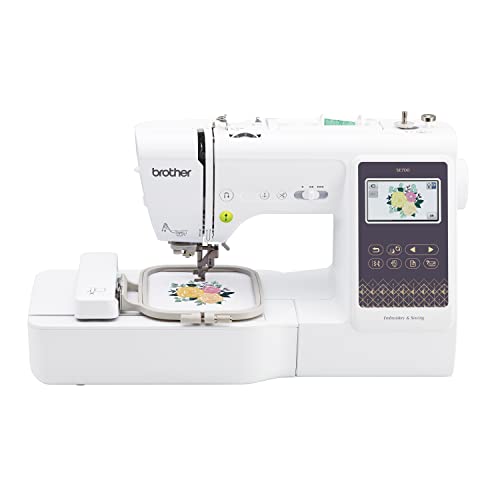
Changing thread and bobbin frequently when working with different fabrics can be tedious. An automatic needle threader saves time and reduces eye strain, while a jam-resistant drop-in top bobbin keeps your workflow smooth. Many of the machines we reviewed, such as the Brother SE700, include these features to help you switch between fabrics quickly. For more tips on choosing a machine, check out our guide to the best electronic sewing machines.
Presser Foot Pressure Adjustment
Not all machines allow you to adjust the presser foot pressure, but it is a game-changer for sewing multiple fabric types. Lighter pressure prevents thin fabrics from stretching, while heavier pressure helps feed thick layers evenly. The Janome HD3000 and Juki HZL-DX7 both offer this capability, giving you greater control over tricky materials like knits and fleece.
Stitch Variety and Specialty Feet
A wide selection of stitches and included presser feet expands your ability to handle different fabrics. Stretch stitches for knits, reinforced stitches for denim, and decorative stitches for lightweight cotton are all valuable. The SINGER C7290Q comes with 417 stitch applications and 12 presser feet, making it a strong contender for all-purpose sewing. If you are also interested in quilting, see our best quilting machine for beginners guide for more options.
Final Thoughts
Choosing the best sewing machine for all types of fabric comes down to your specific needs and budget. For a versatile all-rounder that handles everything from delicate silks to heavy denim with ease, the Brother SE700 Sewing and Embroidery Machine offers a perfect balance of features, including wireless connectivity and a large touchscreen. If you prioritize heavy-duty performance and precision for thick fabrics and complex projects, the Juki HZL-DX7 Sewing Machine | 287 Stitch Patterns delivers industrial-grade quality with its box feed system and extensive stitch library. Whichever you choose, you will be ready to sew any fabric with confidence.
Frequently Asked Questions
Can a computerized sewing machine handle thick fabrics like denim and canvas?
Yes, many computerized models are built to handle heavy fabrics. Look for machines with a metal frame, strong motor, and adjustable presser foot pressure. The Janome HD3000 and Juki HZL-DX7 are excellent choices for thick materials.
What type of needle should I use for different fabrics?
Needle size and type matter. For lightweight fabrics like silk, use a size 9/70 or 11/75 needle. For medium-weight cotton, a 12/80 or 14/90 works well. For heavy fabrics like denim, choose a 16/100 or 18/110 needle. Always match the needle to the fabric to avoid damage.
Is a serger necessary for sewing stretch fabrics?
A serger is not essential, but it makes sewing knits and stretch fabrics much easier by creating professional, flexible seams. The Brother 2340CV Coverstitch Serger is a dedicated machine that excels at hemming and finishing stretch fabrics. For more on versatile machines, see our best sewing machine for alterations guide.
How do I maintain a sewing machine for long-lasting performance?
Regular cleaning and oiling are key. Remove lint from the bobbin area after each project, and oil the machine as recommended in your manual. A professional service every one to two years also helps keep your machine running smoothly. For more tips, read our article on best sewing machine for altering clothes.


