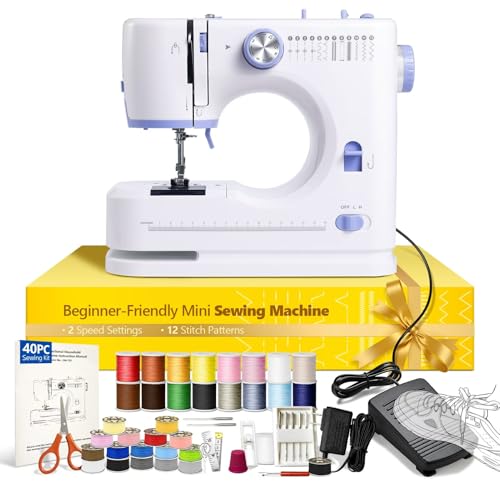

You want a machine that handles mending, crafts, and maybe a quilt or two, but the options feel endless. We have evaluated the top contenders to bring you a focused list of the best rated sewing machine for home use in 2026. This guide is for anyone from a first-time buyer to a seasoned stitcher looking for an upgrade.
We have assessed each model on stitch quality, ease of use, and durability. Our goal is to help you find a reliable companion for your creative projects. For a broader look at what to consider, check our overall guide for home sewing machines.


Buying Guide: What to Look For in a Home Sewing Machine
Choosing the right machine depends on your skill level and the types of projects you plan to tackle. Here are the key criteria we used to rank our top picks.
Stitch Variety and Built-in Features
A good home machine should offer a range of stitches, from basic straight and zigzag to decorative and stretch options. Look for at least 15 to 20 built-in stitches, plus a one-step buttonhole for convenience. For quilting enthusiasts, a machine with a larger stitch library and quilting stitches is a plus.
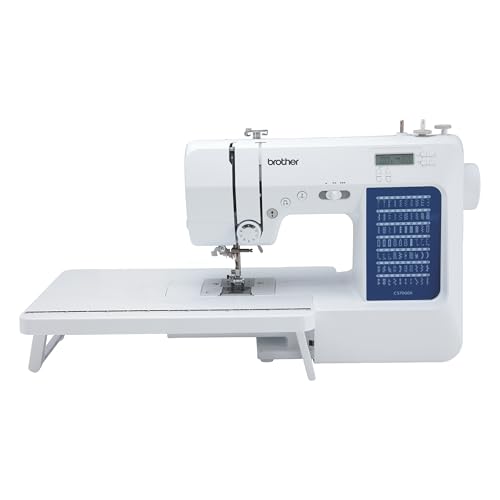
For example, the Brother CS7000X provides 70 stitches and includes a wide table for quilting projects. If you are just starting, a simpler model like the Brother XM2701 with 27 stitches may be all you need. For more on user-friendly options, see our guide to user-friendly machines.
Ease of Use and Setup
Threading a machine can be a deal-breaker. An automatic needle threader and a drop-in top bobbin are essential for stress-free setup. A clear LCD display or a simple dial makes stitch selection quick and intuitive. If you are a beginner, look for a machine with a step-by-step threading diagram or tutorial videos, like the Janome Arctic Crystal.
Portability also matters if you plan to move the machine between rooms or take it to classes. Many models weigh around 10 to 15 pounds, but some heavy-duty machines are bulkier. For more tips, visit our beginner sewing machine guide.
Build Quality and Durability
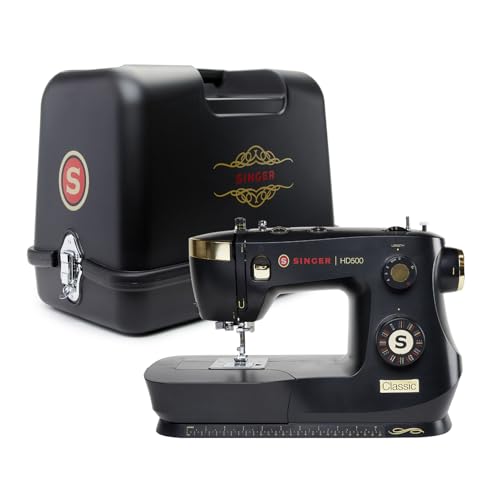
A sturdy metal frame ensures the machine stays stable at high speeds and handles thicker fabrics without vibration. Look for a machine with a heavy-duty motor if you sew denim, canvas, or multiple layers. The SINGER Heavy Duty 500 and the SINGER 4523 are built for such tasks, offering robust piercing power.
For most home users, a machine with a metal interior frame and a solid plastic exterior is enough. That combination keeps the machine lightweight while providing durability. You can explore more heavy-duty options in our heavy duty sewing machine category.
Special Features: Embroidery and Connectivity
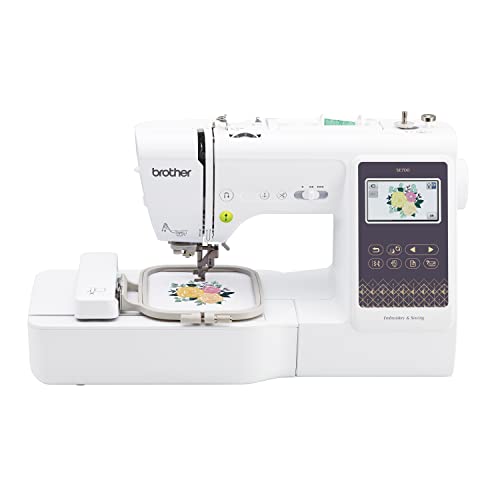
If you want to add embroidery to your home projects, consider a combo machine like the Brother SE700. It offers 135 built-in designs and wireless connectivity for transferring custom patterns. This feature is ideal for personalizing gifts or adding a creative touch to clothing.
For those who prefer a dedicated sewing machine, the Brother CS5055 and CS7000X provide excellent value without the embroidery functions. Weigh your needs: do you see yourself using embroidery often? If yes, invest in a machine that includes it. For more ideas, check our computerized sewing machine collection.
Final Thoughts
After reviewing all nine models, we recommend the Brother SE700 Sewing and Embroidery Machine for its versatility and advanced features, perfect for those who want to explore both sewing and embroidery. For a more budget-friendly yet reliable option, the Brother CS5055 Computerized Sewing Machine offers a solid stitch library and ease of use that suits most home projects. Whichever you choose, you are investing in a tool that will serve you for years.
Frequently Asked Questions
What is the best rated sewing machine for home use?
The Brother SE700 is a top pick for its combination of sewing and embroidery features. For a more traditional machine, the Brother CS5055 is highly rated for its stitch quality and ease of use. Both are excellent choices for a home setting.
How much should I spend on a home sewing machine?
You can find a reliable beginner machine for around $100 to $150, while advanced models with more features range higher. Set a budget based on your needs, but remember that a good machine is an investment. For more guidance, see our review of the Brother CP100X.
Can a home sewing machine handle heavy fabrics like denim?
Yes, but you need a machine with a strong motor and a metal frame. Models like the SINGER Heavy Duty 500 or the SINGER 4523 are designed for such materials. Always use the appropriate needle and adjust the tension settings for best results.
What is the difference between a mechanical and a computerized sewing machine?
Mechanical machines use dials to select stitches, while computerized models have a digital display and push-button controls. Computerized machines offer more stitch options and features like automatic buttonholes and speed control. They are generally easier for beginners to use.