

You have been sewing for a while, and now you are ready to upgrade to a computerized machine that can handle everything from delicate heirloom stitches to heavy-duty quilting. The two biggest names in the game are Juki and Brother, and choosing between them can feel overwhelming. This guide compares Juki vs Brother sewing machines across multiple categories, so you can find the model that fits your specific needs and budget. Whether you are a beginner looking for your first serious machine or an advanced quilter seeking industrial-grade performance, we have you covered.
We evaluated nine top-rated machines from both brands, including combination sewing and embroidery models, sergers, and dedicated quilting machines. Our goal is to help you understand the strengths of each brand and make an informed decision. For a broader look at the category, check out our guide on the best overall sewing machine for home use.





Buying Guide
Stitch Variety and Computerized Features
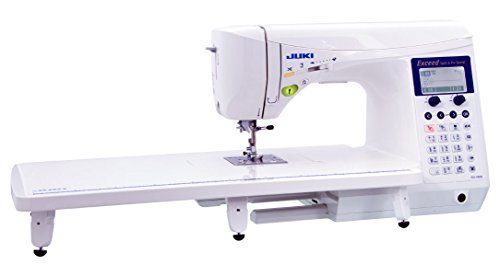
When comparing Juki vs Brother sewing machines, one of the first differences you will notice is the number of built-in stitches. Brother machines like the XR9550 offer 165 stitches, including alphanumeric stitches and multiple buttonhole styles, all accessible via an intuitive LCD screen. Juki machines, such as the HZL-F600, focus more on stitch quality and durability, with 255 stitches that are designed for precision. If you love decorative stitching and easy customization, Brother is the clear winner. If you prioritize rock-solid stitch consistency for quilting or garment construction, Juki may be your better bet.
Both brands offer computerized models with LCD displays, but Brother tends to pack in more user-friendly features like automatic needle threaders and jam-resistant drop-in bobbins. For a deeper dive into budget-friendly quilting machines, read our best quilting sewing machine on a budget article.
Serging and Overlocking Capabilities
Sergers are essential for finishing seams and working with stretch fabrics. Brother offers the 1034D and the 2340CV coverstitch serger, both built with metal frames for durability. The 1034D is a workhorse that can sew up to 1,300 stitches per minute, while the 2340CV specializes in coverstitch for hemming knits. Juki counters with the MO-50E, a 3/4 thread serger that features a lay-in tension system and automatic lower looper threader, making it incredibly easy to thread. For heavy-duty serging, Juki’s build quality is hard to beat, but Brother offers more versatility with its coverstitch model. If you are curious about other overlocker options, see our bernette B64 airlock overlocker review.
Embroidery and Combination Machines
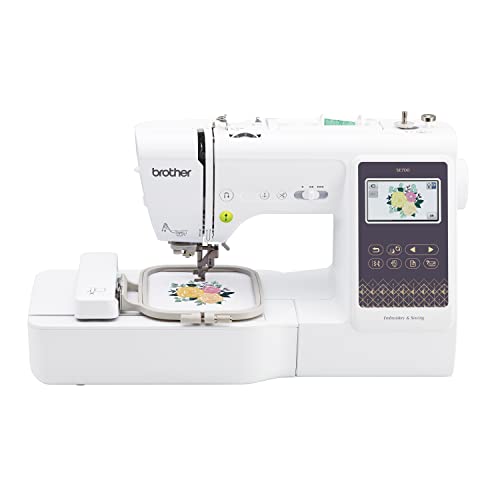
If you want to add embroidery to your sewing projects, Brother leads the way with the SE700, a combination sewing and embroidery machine. It includes 135 built-in designs, a 4×4 inch embroidery field, and wireless LAN connectivity for transferring designs from your computer. Juki does not currently offer a comparable combination machine in this lineup, so for embroidery enthusiasts, Brother is the obvious choice. The SE700 also features a large 3.7-inch touchscreen for easy on-screen editing, making it ideal for beginners and hobbyists alike. For more on computerized sewing machines, visit our Computerized Sewing Machines category page.
Build Quality and Long-Term Value
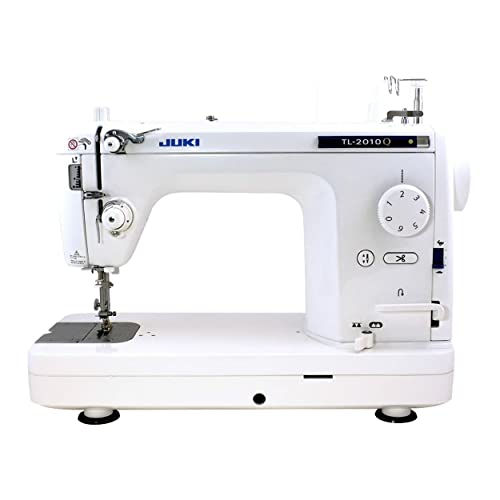
Juki is renowned for its industrial-grade construction, and models like the TL-2010Q and HZL-F600 reflect that heritage. The TL-2010Q is a portable, single-needle lockstitch machine with an automatic thread trimmer and knee lifter, built to handle heavy fabrics and long sewing sessions. Brother machines, while still durable, are generally lighter and more plastic-based, which keeps costs down but may not hold up as well under extreme use. If you plan to sew daily or tackle thick materials like denim or multiple quilt layers, Juki is the more robust choice. For a comparison between Juki and another premium brand, read our juki vs janome sewing machines guide.
Final Thoughts
After comparing Juki vs Brother sewing machines across stitch variety, serging, embroidery, and build quality, the best choice depends on your primary sewing activities. For the home sewer who wants maximum stitch options, easy threading, and the ability to embroider, the Brother SE700 Sewing and Embroidery Machine is an outstanding all-in-one solution. For the serious quilter or garment maker who demands industrial-grade durability and precision, the Juki HZL-F600 Full Sized Computer Sewing machine delivers unmatched stitch quality and longevity. Whichever you choose, both brands offer reliable machines that will serve you well for years to come.
Frequently Asked Questions
Which brand is better for beginners, Juki or Brother?
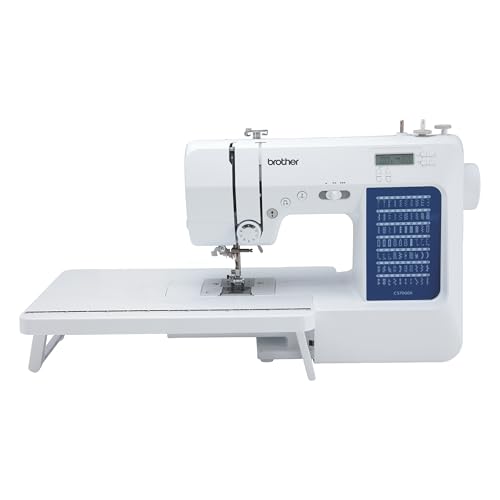
Brother machines are generally more beginner-friendly due to their lower price points, intuitive LCD screens, and automatic needle threaders. Models like the Brother XR9550 and CS7000X offer a wide range of stitches and come with multiple presser feet, making them easy to learn on. Juki machines are more advanced and better suited for sewists who already have some experience and need higher performance.
Can I use a Juki machine for embroidery?
Juki does not offer a combination sewing and embroidery machine in this lineup. If embroidery is a priority, Brother’s SE700 is the better choice, as it includes 135 built-in designs and wireless design transfer. For dedicated embroidery, you may also want to explore standalone embroidery machines from other brands.
Are Brother sergers as durable as Juki sergers?
Brother sergers like the 1034D and 2340CV are built with metal frames and are quite durable for home use. However, Juki sergers like the MO-50E are known for their industrial-grade construction and superior tension control. For heavy daily use, Juki may last longer, but Brother sergers offer excellent value for the price. For more on zig zag stitches and serging, see our best zig zag sewing machine picks.
Which brand has better stitch quality for quilting?
Juki is widely regarded as the leader in stitch quality for quilting, thanks to its precise feed mechanisms and consistent tension. The Juki TL-2010Q and HZL-F600 are favorites among quilters for their ability to handle multiple layers and produce even stitches. Brother machines like the XR9550 are also capable but may not match Juki’s industrial precision for heavy quilting projects.


