You’ve spent hours choosing fabrics, cutting precise pieces, and planning your quilt top. But when it’s time to stitch it all together, your current machine struggles with thick layers, skips stitches, or simply lacks the throat space for a large quilt. Finding the right quilting machine can transform your hobby from a chore into a joy.
In this guide, we’ve evaluated the top quilting sewing machines on the market, focusing on features that matter most to quilters: stitch variety, throat space, feeding system, and ease of use. Whether you’re a beginner piecing your first quilt or an experienced quilter ready for free-motion work, our picks will help you find the perfect match. For more insights, check out our top quilting machines for every skill level.



Buying Guide: What to Look for in a Quilting Machine
Stitch Variety and Options
Quilting requires a mix of straight stitches, zigzag, and decorative stitches for piecing, quilting, and finishing. Machines like the Brother XR9550 offer 165 built-in stitches, giving you flexibility for any project. For more advanced needs, consider a model with alphanumeric stitches for labeling your quilts.
If you plan to do free-motion quilting, look for a machine with a drop feed dog feature, like the SewLaVie 1130, which allows you to move the fabric freely. For beginners, a machine with basic stitches and one-step buttonholes might be all you need. Explore our best sewing machines for beginners for more guidance.
Throat Space and Workspace
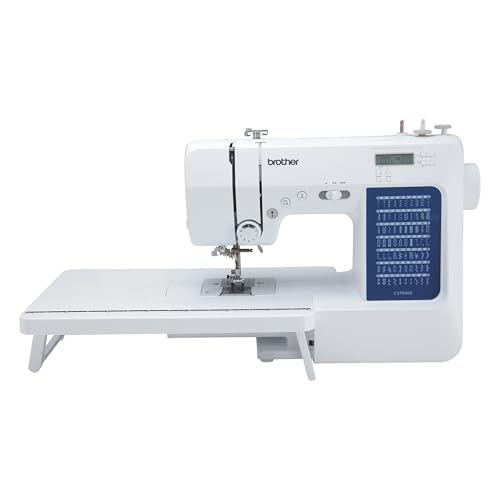
The throat space (the distance between the needle and the machine body) determines how easily you can maneuver a large quilt. A wider throat, like that on the Brother CS7000X, is a huge advantage for quilting. Many machines come with an extension table to increase your workspace, which is essential for supporting bulky quilts.
If you often quilt large projects, consider a machine with a built-in extension table or one that includes a wide table as an accessory. This extra space reduces strain and helps maintain even stitching.
Feeding System and Fabric Handling
Even feeding is critical to prevent fabric from shifting or puckering. Look for machines with a drop-in top bobbin, which is jam-resistant and easy to load. The Janome 3160QDC-G features the Superior Plus Feed System (SFS+) for smooth fabric movement, even on layered quilts. A 7-point feed dog, as found on the SewLaVie 1130, ensures consistent feeding on thick fabrics.
For heavy-duty quilting, a metal frame and fixed needle bar provide stability, as seen in the Brother CS7000X. These features reduce vibration and keep your stitches clean. For more on handling tough fabrics, see our best heavy duty sewing machine guide.
Ease of Use and Automation
Automatic needle threaders, start/stop buttons, and speed control sliders are lifesavers, especially for intricate quilting. The SINGER Quantum Stylist 9960 offers a large LCD screen and 13 buttonhole styles, making it easy to personalize your projects. For beginners, a simple machine like the Brother XM2701 with an automatic needle threader and drop-in bobbin is a great starting point.
Consider machines with a free arm for sewing cuffs and sleeves, and a built-in storage box for keeping accessories organized. If you’re interested in computerized models, our top computerized sewing machines guide has more details.
Final Thoughts
Choosing the right quilting machine depends on your skill level and the types of projects you love. For a versatile and feature-packed option, the Brother XR9550 Computerized Sewing and Quilting is an excellent all-rounder with 165 stitches and a wide table. If you’re looking for a high-end machine with exceptional fabric handling, the Janome 3160QDC-G Sewing and Quilting Machine offers superior feed and a bonus quilt kit. Whichever you choose, you’ll be well-equipped to create beautiful quilts for years to come.
Frequently Asked Questions
What is the best sewing machine for quilting for beginners?
For beginners, the Brother XM2701 is a fantastic choice. It offers 27 built-in stitches, an automatic needle threader, and a drop-in top bobbin, making it easy to learn on. It’s also lightweight and portable, perfect for taking to quilting classes.
Can I use a regular sewing machine for quilting?
Yes, you can use a regular sewing machine for quilting, but a quilting-specific machine offers features like a wider throat space, extension table, and specialized stitches that make quilting easier and more enjoyable. If you plan to quilt regularly, investing in a machine designed for quilting is worth it.
What is free-motion quilting and what machine do I need?
Free-motion quilting involves moving the fabric manually under the needle to create custom designs. You need a machine that allows you to drop the feed dogs and has a darning or free-motion foot. Machines like the SewLaVie 1130 and the SINGER Quantum Stylist 9960 are excellent for this technique.
How much should I spend on a quilting sewing machine?
The price of quilting machines varies widely. For a beginner, a machine in the entry-level range is sufficient. For more advanced features like large stitch libraries and computerized controls, expect to invest more. Consider your long-term quilting goals and choose a machine that fits your needs and budget.