
You’ve just finished sewing a beautiful blouse, but the seams look unfinished and fraying. That’s where a serger comes in. Also known as an overlock machine, it trims, sews, and finishes edges in one pass, giving your projects that professional, store-bought look. Whether you’re a beginner or a seasoned sewist, choosing the right serger can be overwhelming. That’s why we’ve researched and compared the top models on the market to bring you this guide. If you’re also exploring other machine types, our best sewing machine guide offers helpful insights.


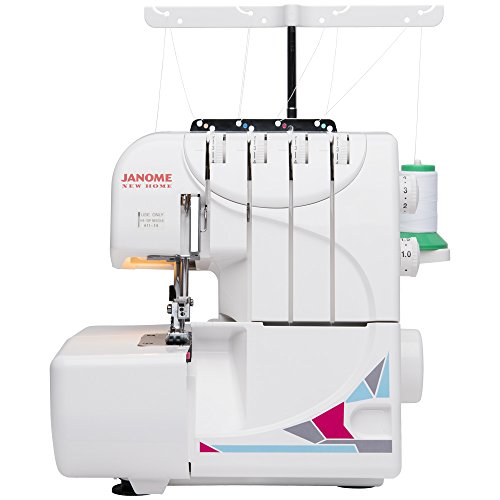


Buying Guide: What to Look for in a Serger
Before you invest in a serger, it’s essential to understand the key features that separate a good machine from a great one. Here are the most important factors to consider, so you can make an informed decision that matches your sewing style and project needs.
Threading System: The Game Changer
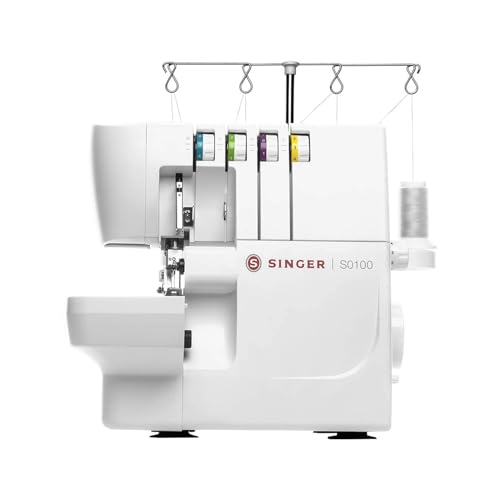
Threading a serger is traditionally the most dreaded part of owning one. Look for machines that simplify this process. Color-coded thread guides and diagrams are a must, but some models go further with lay-in threading or even air threading, like the Brother AIR1800 Air Serger Sewing Machine with Jet that uses a blast of air to thread the loopers. This feature alone can save you hours of frustration.
If you’re new to serging, consider starting with a machine that has a user-friendly threading system. The Brother 1034D Serger Overlock Sewing Machine is famous for its easy-to-thread lower looper and color-coded guides, making it a favorite among beginners. For more tips on getting started, check out our best sewing machine for beginners article.
Stitch Capabilities: 2, 3, 4, or 5 Thread
Most sergers offer 3 or 4 thread options, which cover the majority of overlock and rolled hem needs. However, if you want more versatility, look for a machine with 2-thread capability for fine, decorative work, or even 5-thread for coverstitch-like seams. The SINGER® Professional 14T968DC Heavy-Duty Serger offers 2-3-4-5 stitch capability, giving you the widest range of options for different fabrics and techniques.
Consider the types of projects you’ll be sewing. If you work with knits, a 4-thread serger is essential for strong, stretchy seams. If you love heirloom sewing or delicate fabrics, a 2-thread option is a bonus. The SINGER® HD0500S Heavy Duty Serger Overlock offers 2-3-4 thread capability with six stitch options, a great middle ground.
Differential Feed: Prevent Puckering and Stretching
Differential feed is a non-negotiable feature. It uses two sets of feed dogs that move at slightly different speeds to prevent wavy seams on stretchy knits and puckering on lightweight fabrics. This feature also allows you to create gathers or ease in fabric. Almost all modern sergers include this, but the adjustability and ease of use can vary. The Juki, MO-50E, 3 or 4 Thread Serger is praised for its adjustable differential feed, giving you precise control.
When you’re sewing tricky materials like silk or jersey, a good differential feed system makes all the difference. For more on handling tough fabrics, see our best heavy duty sewing machine guide, which covers machines that can power through thick layers.
Speed and Power: Stitches Per Minute
Sergers are fast, but some are faster. The standard speed is around 1,300 stitches per minute (SPM), which is sufficient for most projects. If you’re a professional or sew large quantities, a higher SPM can save time. The SINGER® Heavy Duty 0420™ Next Evolution Serger delivers up to 1,300 SPM with a powerful motor that handles thick fabrics without skipping stitches.
Heavy-duty machines with metal frames are more stable at high speeds, reducing vibration and ensuring consistent stitch quality. If you plan to sew denim, canvas, or upholstery, prioritize a serger with a strong motor and a durable frame, like the SINGER® X5004-HD Serger Overlock Machine.
Final Thoughts
Choosing the best serger comes down to your specific needs. For a beginner-friendly machine with excellent threading systems and reliable performance, the Brother 1034D Serger Overlock Sewing Machine is a top choice, while the Brother AIR1800 Air Serger Sewing Machine with Jet is perfect for those who want the ultimate convenience of air threading and are willing to invest in a premium experience. Both machines deliver professional results, so you can’t go wrong.
Frequently Asked Questions
What is the easiest serger to thread?
The Brother AIR1800 Air Serger Sewing Machine with Jet is the easiest to thread because it uses air to pull threads through the loopers at the press of a button. Many other models, like the Juki MO-50E, feature lay-in tension and automatic lower looper threaders to simplify the process. For 2026, these are the most user-friendly options available.
Can a serger replace a regular sewing machine?
No, a serger cannot completely replace a regular sewing machine. While a serger excels at finishing seams, trimming fabric, and creating stretchy stitches, it cannot perform basic straight stitches, buttonholes, or zipper insertion. Most sewists use both machines in tandem, with the serger for finishing and the sewing machine for construction. For more on sewing machines, visit our best quilting machine guide for another specialized option.
What is the difference between a 3-thread and 4-thread serger?
A 3-thread serger uses two loopers and one needle, creating a narrower seam that’s ideal for lightweight fabrics and decorative edges. A 4-thread serger adds a second needle, producing a stronger, wider seam that’s perfect for knits and heavy fabrics. Many sergers, like the SINGER® HD0500S, allow you to switch between 2, 3, and 4 threads for versatility.
Do I need a serger if I have a sewing machine?
If you want to achieve professional-looking seams, especially on knit fabrics, a serger is a valuable addition. It trims and finishes edges in one step, preventing fraying and providing stretch. If you sew frequently, you’ll appreciate the time saved and the polished result. For 2026, the best serger models offer features that make them accessible even for beginners.